25 Best Modern Mullet Taper Styles for Men (2026)

The taper helps make the mullet easier to wear in settings such as the office, gym, and formal events. A modern mullet taper keeps the short-front, long-back shape while smoothly shortening the hair around the ears and neckline for a planned, clean look.
Men choose it for clean edges and the freedom to grow the back as long as they like, while barbers value its versatility across hair types. This guide covers 25 styles by texture, hair type, fringe, and color, plus modern mullet comparisons, guard numbers, face-shape advice, styling steps, and common questions.
What Is a Modern Mullet Taper?

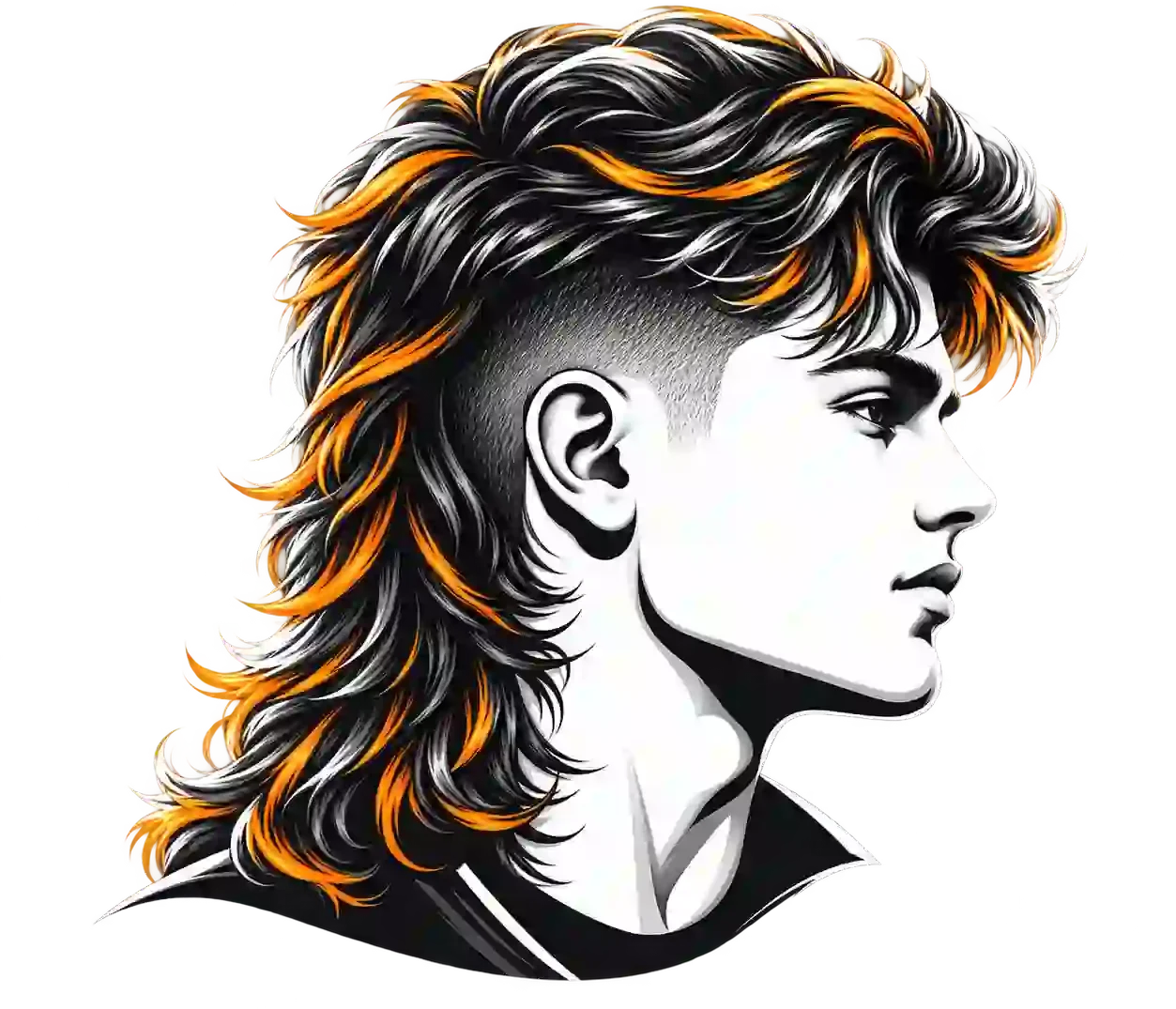
A modern mullet taper combines a longer back with gradually shorter hair around the ears and neckline. Unlike a skin fade, it keeps some length on the sides for a softer transition, while the back can be short, medium, or long and the overall shape stays clean and controlled. This makes it easy to adapt to straight, wavy, curly, and thick hair.
Why This Haircut Is Trending in 2026?
The modern mullet taper sits between a bold mullet and a sharp skin fade, giving you attitude without harsh contrast. Social media has helped increase its visibility, while barbers value its clean outline and styling flexibility. Shorter hair around the ears and neck keeps it neat for work, classes, and events.
Tidy sides make growing out easier, while the cut can stay subtle or go bold with length, layers, color, and fringe. Its softer transition can also make regrowth less noticeable between touch ups.
Top 25 Modern Mullet Taper Styles and Variations
Each style below includes a short description and a tip you can take to your barber. Pick one that matches your hair type and lifestyle, then adjust the length to your comfort level.
Classic & Everyday Modern Mullet Taper Styles
1. Classic Tapered Mullet

The classic taper mullet sets the reference point for other styles, with smoothly tapered sides and neckline, medium-length hair on top, and a back that falls past the collar. Ask for a low or mid taper with two to three inches on top; straight and wavy hair both suit it, making it a great first mullet.
Best For: Straight, wavy, or medium-density hair
✂ Pro Tip: Ask your barber to keep the modern mullet taper soft and gradual so the longer back blends naturally without creating a harsh contrast.
2. Short Tapered Mullet

A short tapered mullet keeps the back at collar length, giving a clear mullet shape up close while staying neat from a distance. It suits office settings or first time wearers, leaves room to grow the back later, and the modern mullet taper can be refreshed every few weeks based on hair growth.
Prefer a shorter look? See our Short Modern Mullet guide for practical styles, haircut ideas, and easy styling tips.
Best For: Straight, wavy, or medium-density hair
3. Long Back Taper Mullet

This version pushes the back to shoulder length or longer while the taper keeps the sides tight. The contrast makes the length look intentional. Thick, straight hair carries the length best. Consider trimming the ends every six to eight weeks to maintain the shape and remove worn ends.
Best For: Thick, straight, or high-density hair
✂ Pro Tip: Ask your barber to keep the sides tightly tapered while lightly shaping the long back to preserve its length and create a clean, intentional silhouette.
4. Natural Flow Mullet With Taper

Natural flow means the hair falls where it wants, with little product. The modern mullet taper cleans the sides and neckline, and the top and back move with the hair’s own pattern. Wavy hair suits this style best. Air dry it, add a light cream, and let the natural pattern do the work.
5. Modern Textured Mullet With a Natural Taper

The modern mullet taper gradually shortens around the ears and neckline without a harsh line, creating a soft, blended finish, while point cutting adds texture to the top and back. Ask your barber for scissor work over the ears instead of clippers for a low effort style that grows out naturally.
Textured & Layered Modern Mullet Taper Styles
6. Textured Tapered Mullet

Texture starts with cutting technique. Your barber removes weight with point cutting or a razor, and the modern mullet taper keeps the sides slim so the texture stands out on top. Apply sea salt spray or matte clay to damp hair. Scrunch the top and let the back dry with a slight bend.
7. Messy Modern Mullet Taper

The messy version thrives on movement. Uneven layers and a loose top give it a lived-in look, while the modern mullet taper keeps the outline tidy. Rough dry the hair with your fingers and apply a small amount of paste. Leave the ends uneven on purpose.
Best For: Wavy, thick, or naturally textured hair
✂ Pro Tip: Ask your barber to add uneven layers without over-thinning the ends, so the cut keeps its natural movement and messy texture.
8. Layered Mullet With Tapered Sides

Layers build shape through the crown and back. They create a rounded silhouette that pairs well with a tight taper on the sides. Fine hair benefits most, since layers add the look of fullness. Ask for long layers that connect the top to the back.
9. Choppy Layered Modern Mullet Taper

Choppy layers are created with uneven sections using shears or, when appropriate, a razor. They give a modern mullet taper a bold, jagged texture while adding movement through the top and back. Pairing the layers with a mid taper keeps the sides clean and defined. For a consistently sharp shape, schedule a trim every five to six weeks.
10. Feathered Modern Mullet Taper

Feathered layers sweep away from the face and thin toward the ends, a nod to 1970s rock styling. The modern version adds a clean taper at the sides. Blow dry the hair backward with a round brush. A light hairspray keeps the feathers in place.
Best For: Straight, wavy, or medium-to-thick hair
✂ Pro Tip: Ask your barber for soft, graduated layers that blend smoothly into the tapered sides, keeping the feathered movement light rather than bulky.
Curly, Wavy & Straight Hair Modern Mullet Taper
11. Curly Mullet With Tapered Sides

Curls give a modern mullet taper plenty of volume and bounce. The taper keeps the sides shorter, allowing the curls on top and at the back to stand out without adding too much width around the ears. Ask your barber to cut your hair dry so they can see its natural curl pattern. For styling, use a curl cream and diffuse on low heat to enhance definition without creating excessive frizz.
12. Wavy Modern Mullet Taper

Waves offer built-in texture, so this cut needs little styling. The clean taper frames the ears and neckline while the waves flow down the back. A lightweight mousse defines the pattern. Skip heavy gel, which flattens the waves.
✂ Pro Tip: Ask your barber to preserve the natural wave pattern with soft layers while keeping the taper clean around the ears and neckline.
13. Straight Hair Modern Mullet Taper

Straight hair shows the cut in detail, so the taper and layers need precise work. The reward is a sleek, sharp mullet with a polished finish. Add texture spray to prevent a flat look. Ask for subtle layers in the back to create movement.
If you have straight hair, see our Straight Hair Mullet guide for more style ideas, styling tips, and haircut inspiration.
Best For: Straight, fine, or medium-density hair
✂ Pro Tip: Ask your barber to use subtle back layers rather than heavy thinning, keeping the shape clean while adding natural movement.
14. Fluffy Modern Mullet Taper

The fluffy style relies on volume and softness. Hair on top and at the back is cut in soft layers, and the taper keeps the sides slim. Blow dry with a vent brush and finish with a light powder. The look suits fine to medium hair.
15. Permed Modern Mullet Taper

A perm adds curls to straight hair and gives the mullet a retro edge. The taper keeps the sides neat so the curls take the focus. Book the perm with an experienced stylist. Depending on the hair and perm technique, the curls can last for several weeks to a few months.
Best For: Straight or fine hair that holds curls well
✂ Pro Tip: Ask your stylist to choose a curl pattern that matches your desired volume, then keep the taper softer so it blends naturally with the permed texture.
Fringe & Parted Modern Mullet Taper Styles
16. Tapered Mullet With Fringe

A fringe adds a soft frame across the forehead. Cut it short and choppy for a punk feel or longer and swept for a gentler look. The taper controls the sides so the fringe becomes the focal point. Straight and wavy hair both hold a fringe well.
17. Middle-Part Mullet With Taper

A center part splits the hair down the middle and gives a relaxed, 1990s mood. The modern mullet taper sharpens the sides and stops the shape from looking bulky. Oval and square faces suit this part best. Use a comb to set the line, then loosen the hair with your fingers.
Best For: Straight or wavy, medium-to-thick hair
✂ Pro Tip: Ask your barber to leave enough length on top for a natural center part and keep the taper clean without making the sides too tight.
18. Side-Part Modern Mullet Taper

A side part brings structure. It suits men who want a mullet that looks tidy in professional settings. Part the hair on the side where it falls with little effort, and ask for a low modern mullet taper. A light pomade holds the line.
19. Long Fringe Taper Mullet

A long fringe can reach the eyebrows or even the cheekbones, giving a modern mullet taper a moody, editorial feel. Pair it with a tight taper to keep the sides clean while letting the fringe stand out. Style it forward, sweep it to the side, or tuck it behind one ear for a more relaxed look. Plan a trim every six weeks, as longer fringe can lose its shape quickly.
Best For: Straight, wavy, or thick hair
✂ Pro Tip: Ask your barber to leave the fringe long enough for multiple styling options while tapering the sides tightly to balance the heavier front.
20. Slicked-Back Modern Mullet Taper

Slicking the top back turns the mullet into a sharp, polished style. The long back flows from the slicked top, and the taper finishes the sides. Use a medium-hold pomade on damp hair and comb it back. This style works for formal events and evenings out.
Modern Mullet Taper: Color, Beard & Hair-Type Variations
21. Blonde Tapered Mullet

Blonde brings brightness and contrast against darker sides. The taper keeps the color from overwhelming the look. Bleaching needs professional care. Book a toning appointment and Use purple shampoo when needed to help control unwanted brassiness.
22. Highlighted Modern Mullet Taper

Highlights add depth and dimension. Face-framing pieces and lighter tips lift the texture on the top and back. Ask for soft, sun-kissed highlights in place of bold stripes. They grow out with less visible regrowth.
Best For: Straight, wavy, or textured hair
✂ Pro Tip: Ask your colorist for fine, blended highlights around the face and through the longer back to create dimension without overpowering the taper.
23. Taper Mullet With a Beard

A beard balances the volume of the mullet. A tapered beard that blends into the sideburns creates a continuous line from hair to jaw. Keep the beard between short stubble and medium length. Match the taper level on the sides to the beard fade for a connected look.
24. Thick Hair Modern Mullet Taper

Thick hair benefits from weight removal. Thinning shears and layers reduce bulk, while the taper prevents the sides from puffing out. Use a hydrating conditioner to keep the hair soft. The mullet looks full and strong with little product.
Best For: Thick, dense, or coarse hair
✂ Pro Tip: Ask your barber to remove weight selectively through the layers instead of over-thinning, so the mullet keeps its fullness without excessive bulk.
25. Voluminous Modern Mullet Taper

Volume sits at the crown and the back. Layers and blow drying build height, and the taper emphasizes the size of the top. Apply a volumizing mousse to damp roots and dry with a round brush. Finish with a light hairspray.
Modern Mullet Taper vs Other Popular Mullet Haircuts
Barbers use many mullet terms, and some overlap. These comparisons show where the modern mullet taper fits.
Taper Mullet vs. Traditional Mullet

| Aspect | Taper Mullet | Traditional Mullet |
| Side/top length | Sides shortened in steps | Sides and top at similar lengths |
| Shape | Sharper look, reduced bulk around ears | Blunt shape |
Choose the taper for a sharper, less bulky look; the traditional mullet suits a blunter, uniform shape.
Taper Mullet vs. Fade Mullet

| Aspect | Taper Mullet | Fade Mullet |
| Side length | Stops at a short length | Drops to bare skin |
| Appearance | Softer look | More dramatic contrast |
| Grow-out | Less contrast as it grows out | — |
The taper suits those wanting a softer look with an easier grow-out than a fade.
For more fade variations and styling ideas, see our full Modern Mullet Fade guide.
Taper Mullet vs. Burst Fade Mullet

| Aspect | Taper Mullet | Burst Fade Mullet |
| Transition style | Gradually follows the natural hairline | Curves around the ear in a semi-circle, fades into the neckline |
| Contrast | Softer appearance | More visible contrast |
The taper offers a softer transition, while the burst fade creates a bolder, higher-contrast style.
Taper Mullet vs. Low Taper Mullet

| Aspect | Taper Mullet | Low Taper Mullet |
| Relationship | Broader category | One version of the taper mullet |
| Start point | — | Begins near the ears and neckline |
| Side coverage | — | Leaves most of the sides intact |
| Best for | — | Conservative settings |
The low taper mullet suits conservative settings, being a more subdued version of the taper mullet.
Taper Mullet vs. Mid Taper Mullet

| Aspect | Modern Mullet Taper | Mid Taper Mullet |
| Start point | — | Starts around the temples |
| Contrast | — | Moderate contrast |
| Fit | — | Fits most hair types and face shapes |
The mid taper is a safe choice for a first visit since it fits most hair types and face shapes.
Taper Mullet vs. Short Mullet

| Aspect | Taper Mullet | Short Mullet |
| Describes | Shape of the sides | Length of the back |
| Overlap | Can be combined together | Can be combined together |
The two terms overlap more than they compete, since they describe different parts of the same cut.
Taper Mullet vs. Curly Mullet

| Aspect | Modern Mullet Taper | Curly Mullet |
| Describes | Shape of the sides | Hair texture |
| Compatibility | Works well with curly texture | Works well with a taper |
Curly hair pairs well with a taper, so many men combine both.
Have naturally curly hair? See our full Modern Curly Mullet guide for style ideas, curl-specific tips, and inspiration.
Taper Mullet vs. Wolf Cut

| Aspect | Taper Mullet | Wolf Cut |
| Layering | Clean sides | Heavy layering across the whole head |
| Shape | Structured | Shaggy, rounded shape |
| Best for | Structure | Volume |
Pick the wolf cut for volume and the taper mullet for structure.
Pros and Cons: What You’re Signing Up For
Every Modern Mullet Taper has its own pros and cons. Here’s what you should know before you sit in the barber’s chair.
Pros
- Works with straight, wavy, and curly hair
- Clean edges suit work and casual settings
- Grows out with little awkwardness
- Keeps the neck and ears cooler in warm weather
- Offers many style options, from subtle to bold
Cons
- Needs a trim every three to five weeks to keep the taper sharp
- The long back can dry out or tangle without care
- Some schools and workplaces have dress codes
- Finding a barber who knows mullets takes research Professional barbering resources can also help you learn more about barbering techniques and find useful industry information.
- The back needs patience while it grows
Choosing a Taper Mullet by Hair Type
Your hair type decides how the cut behaves, so match the style to the texture you have.
Straight Hair
Straight hair shows sharp lines. Go for a classic, slicked-back, or side-part modern mullet taper and ask for light layers to prevent a flat back.
Fine straight hair looks fuller with texture spray and a longer top. Coarse straight hair holds a long back well and needs less product.
Wavy Hair
Wavy hair is the most flexible option. Natural flow, textured, and middle-part styles all work, and the waves add movement with little effort.
Let the hair dry a little before you style it. Touching wet waves too soon creates frizz and breaks the pattern.
Curly Hair
Curly hair needs a taper that keeps volume balanced. Pick a curly or permed taper mullet, and ask your barber to cut the hair dry.
Curls shrink after washing, so leave extra length on top. A cut that looks right when stretched can spring up two inches once it dries.
Thick Hair
Thick hair needs weight removal. Choose a layered or long-back style, and ask for thinning work so the sides stay flat.
A mid taper helps here. It removes bulk from the sides and gives the heavy top and back a clear outline.
Taper Mullet Styles by Face Shape
Face shape can help you choose proportions that feel balanced, but personal preference and hair type matter too. Use these ideas as a starting point.
Oval Face
Oval faces tend to suit a wide range of styles. A classic or textured taper mullet can complement balanced proportions, while a long fringe or highlights can add more character.
Round Face
If you want a longer-looking silhouette, try some height on top with relatively controlled sides. A mid taper with a textured or slicked-back top can create this effect, while a lighter fringe can add structure.
Square Face
Soft layers and a natural taper can complement a strong jawline. Feathered and wavy styles add movement, while a side-swept top can create a softer appearance.
Oblong or Long Face
If you prefer to avoid extra height, consider a fringe or some side volume. A middle-part or fringe style with a low taper can create a more balanced overall shape.
Heart-Shaped Face
A side-swept fringe and some volume toward the back can help balance a wider forehead with a narrower chin. A softer taper can keep the overall shape natural.
Diamond Face
A fringe or middle part can add softness around prominent cheekbones. Some volume at the forehead and back can also help create a balanced overall appearance.
Taper Mullet Guard Numbers to Ask Your Barber
Guard numbers tell your barber how much hair a clipper guard is designed to leave. Bring a photo, name the taper height, and state the length you want on top and at the back.
Lower guard numbers leave less length, while higher numbers leave more. Your barber may use several guards and clipper settings to create a gradual transition between shorter and longer areas.
Ask which guard sizes they plan to use if you want to understand how short the taper will be.
Common Taper Guard Sizes
- Guard 1: 1/8 inch (3 mm)
- Guard 2: 1/4 inch (6 mm)
- Guard 3: 3/8 inch (10 mm)
- Guard 4: 1/2 inch (13 mm)
Video Guide: Watch a Taper Mullet Take Shape
A video shows the process better than a photo. Watch how the barber blends the sides, cuts texture into the top, and sets the length at the back.
Common Taper Mullet Styling Mistakes to Avoid
Small errors can spoil a good cut. Watch for these.
- Starting the taper too high. A high taper on a first mullet can look severe. Start low and adjust at the next visit.
- Skipping back trims. Split ends make the length look thin. Trim the back every eight weeks.
- Using heavy products. Thick gel and wax weigh the hair down. Choose light creams, sprays, and pastes.
- Ignoring hair type. Curly, straight, and thick hair each need a different cut.
- Arriving without a photo. Words like “short on the sides” mean different things to different people.
- Washing too often. Daily shampoo strips oil and dries out the long back.
Maintaining a Taper Mullet
A little routine keeps the cut looking sharp. The steps below take about five minutes each day.
Easy Daily Styling
Start with damp hair. Apply a small amount of product, shape the top with your fingers, and let the back dry with natural movement.
Use a blow dryer on low heat when you need extra volume. Finish with a light spray to hold the shape.
Choosing the Right Hair Products
Match the product to your hair type. Sea salt spray adds grip to straight hair, curl cream defines waves and curls, and matte clay gives control on thick hair.
Pomade suits slicked-back styles. Pick a water-based formula for easy rinsing.
Read the label before you buy. Alcohol-heavy sprays dry the long back, and oil-based waxes attract dust and build up on the scalp.
How Often to Wash Your Hair
Wash two to three times per week. Use a gentle shampoo and follow with conditioner on the length.
Oily scalps may need more frequent washing. Dry or curly hair can go longer between washes.
Rinse thoroughly and avoid very hot water if your hair tends to become dry.
When to Get a Taper Touch-Up
The taper and neckline usually need attention before the longer back. Many men book a touch-up every three to five weeks, depending on how quickly their hair grows and how sharp they want the taper to look.
A full trim of the top and back can wait six to eight weeks. Many barbers offer quick neckline cleanups between full visits.
Schedule the next appointment before you leave the chair. Regular visits keep the shape consistent as the hair grows.
Frequently Asked Questions
How Long Does Hair Need to Be for a Taper Mullet?
You need about three to four inches on top and enough length at the back to sit at or below the collar. Shorter hair still works, it just becomes a short tapered mullet instead of a longer, more dramatic version.
How Long Should the Back of a Taper Mullet Be?
The back can reach the collar, the shoulders, or lower. Collar length suits work settings, while shoulder length creates a bolder look. Pick the length based on your comfort level, hair thickness, and how much maintenance you want.
Is a Taper Mullet Suitable for Work?
Yes, especially with a lower taper and a shorter or medium length back, though dress codes vary by office. A side part or slicked back style adds polish for client meetings, and tying the back low keeps it tidy where required.
Can I Style a Taper Mullet at Home?
Yes. Apply a light product, shape the top with your fingers, and let the back air dry. A handheld mirror helps check the back while styling. Still visit your barber for taper touch ups, since the neckline is hard to cut yourself.
How Long Does a Taper Mullet Usually Take to Grow Out?
Hair grows roughly half an inch per month on average. The total time depends on your starting length, hair texture, and desired back length, so a short mullet develops faster than a longer, more dramatic version.
Can I Get a Low, Mid, or High Taper With a Mullet?
Yes. A low taper gives a subtler, blended result, a mid taper adds more visible contrast, and a high taper creates the most noticeable, dramatic taper. Your barber can adjust the height to match your desired look.

Randy Cox
Randy Cox is a men’s hairstyling writer and grooming enthusiast sharing expert inspired guides on modern mullets, styling tips, and the latest men’s haircut trends.