32 Best Straight Hair Mullet Styles for Men

If you’ve been scrolling through barbershop inspiration lately, you’ve probably noticed the mullet is back, but the modern straight hair mullet is nothing like the one your uncle wore in 1987. It blends short, tidy sides with longer, flowing length at the back.
What makes it so appealing is its flexibility, looking sharp and professional or edgy and rebellious depending on the cut and style. This guide covers 32 modern mullet styles for straight hair, plus styling tips, common mistakes, and answers to common questions before your appointment.
What Is a Straight Hair Mullet?

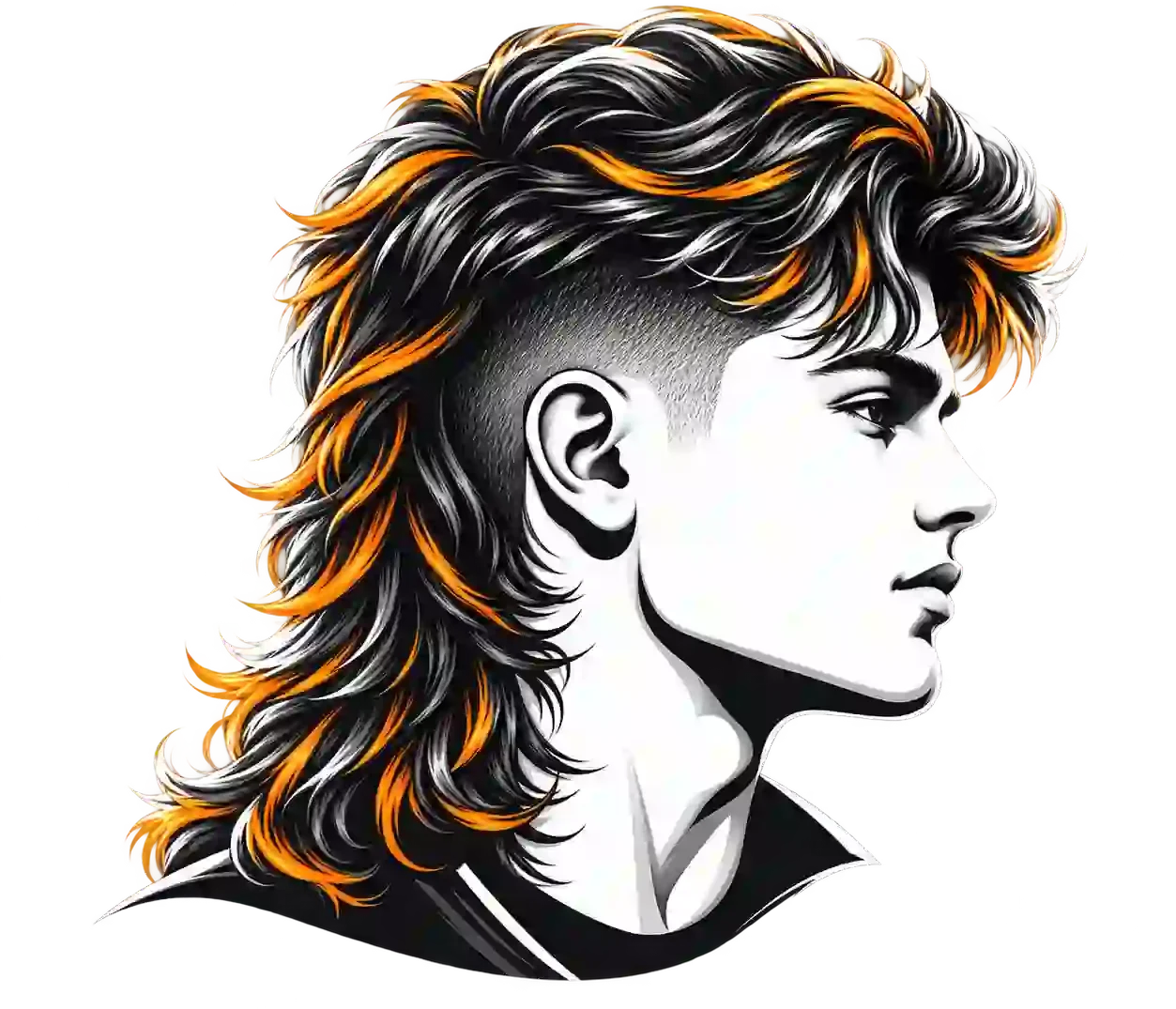
A straight hair Modern Mullet keeps the sides and top shorter while leaving the back noticeably longer, creating a sleek, structured look rather than a wild or chaotic one. Unlike curly or wavy mullets, it relies on precise cutting to create shape.
The contrast between the short and long sections is crisper and easier to see, which is part of why straight haired men have embraced the trend. Clean lines photograph well and help the style hold its shape between salon visits.
Why Does Straight Hair Work Well With a Mullet?
Straight hair has a natural advantage with mullets because it highlights clean lines and makes transitions between lengths, such as a fade blending into longer back hair, easier to see. Its strands also tend to be lower maintenance, with less frizz to manage.
However, straight hair mullet can sometimes look flat on top if it isn’t cut or styled with enough lift. This is easy to fix, and we’ll cover simple ways to add volume later in this guide.
Straight Hair Mullet vs Other Mullet Styles

Not all mullets are created equal, and the differences often come down to hair texture and cutting technique. Here’s how the straight modern mullet compares to a few close relatives.
If you want to explore the curly version in more detail, our Modern Curly Mullet guide covers different styles, fades, tapers, curl types, face shapes, and practical styling tips for men.
Straight Hair Mullet Fade vs Taper

A mullet fade uses clippers to create a gradually shorter blend around the sides and back, while a taper gradually shortens the hair around the temples, sideburns, and neckline without removing as much length. Straight hair works well with both, but a fade creates stronger contrast while a taper gives the mullet a softer, more understated finish.
See our full Modern Mullet Taper guide for style ideas, hair-type options, taper variations, and styling tips.
Straight Hair Mullet vs Wolf Cut

The wolf cut is a shaggier, more textured cousin of the mullet, combining heavy layers and choppy ends for a messier, more voluminous look. A classic straight mullet is usually cleaner and more defined, with a longer back that isn’t necessarily heavily layered or textured.
If you have straight hair and want more movement and volume, a wolf cut variation may suit you better than a traditional mullet. We’ll also cover wolf inspired options below.
32 Top Modern Mullet Ideas for Straight Hair
Now let’s get into the styles themselves. These are grouped by category so you can find the vibe that matches what you’re after, whether that’s polished and professional or loud and unapologetic.
Classic & Everyday Straight Mullet Styles
These are foundational cuts that are versatile, easy to maintain, and a great starting point if you’re new to the mullet world.
1. Classic Straight Modern Mullet

This is the baseline style: short sides, slightly longer top, and a moderate length at the back. It’s balanced, wearable, and works for most face shapes without drawing too much attention.
2. Subtle Modern Straight Hair Mullet

For men who want to dip a toe in without committing fully, this version keeps the back length short and understated. It reads more like a slightly longer haircut than a dramatic mullet.
3. Business Straight Hair Mullet

A tidier take designed for office environments. The sides stay neat, the back length is kept moderate, and the overall silhouette avoids looking too edgy or unconventional.
4. Street Style Modern Straight Mullet

This version leans into a more casual, lived-in look with slightly messier styling and a bit more length throughout. It pairs well with streetwear and a relaxed daily routine.
5. Short Straight Modern Mullet

Ideal for those easing into the trend, this style keeps both the sides and back on the shorter end while still preserving the classic mullet silhouette.
If you prefer a cleaner and more manageable version, our Short Modern Mullet guide explores shorter variations, styling ideas, and easy ways to wear the look without committing to a longer back.
6. Long Back Straight Hair Mullet

For the more adventurous, this style dramatically extends the back length while keeping the front and sides tight, creating maximum contrast.
Textured & Layered Straight Hair Mullet Styles
Adding texture and layers helps combat the flatness that can sometimes come with pin-straight hair, giving these cuts extra dimension.
7. Textured Straight Hair Mullet

Point-cutting techniques add subtle texture throughout, breaking up the sleekness of straight hair without sacrificing the clean mullet shape.
8. Voluminous Modern Straight Mullet

This style focuses on building height and fullness at the crown, which helps prevent the top from looking flat against the scalp.
9. Choppy Straight Hair Mullet

Choppy, uneven ends give this cut a more rugged, undone feel. It works particularly well for guys who like a lower-effort styling routine.
10. Layered Modern Straight Mullet

Layering throughout the back and top removes bulk and adds movement, making the hair feel lighter and more dynamic day to day.
11. Messy Straight Hair Mullet

A deliberately tousled version that uses light product and finger-styling rather than precise combing, giving off a relaxed, effortless vibe.
12. Spiky Modern Straight Mullet

Shorter pieces on top are styled upward and outward for a spiked effect, contrasting nicely with the longer, smoother back section.
Shag & Wolf Inspired Straight Hair Mullet Styles
These styles borrow heavily from the shag and wolf cut trends, prioritizing volume, movement, and a slightly rebellious edge.
13. Shaggy Straight Mullet

Heavy layering throughout creates a soft, feathered look reminiscent of 70s rock star hair, updated for a modern audience.
14. Textured Straight Hair Shag Mullet

This combines shag-style layering with added texturizing for a fuller, more piecey appearance with visible separation between the layers.
15. Straight Wolf Cut Mullet

A true hybrid, this style leans further into wolf cut territory with choppier layers and more volume than a traditional mullet.
16. Wolf Inspired Modern Straight Hair Mullet

A more structured take on the wolf-inspired look, this version keeps the mullet silhouette cleaner while using lighter layers to create movement without the heavy volume of a full wolf cut.
Straight Hair Mullet Fade Styles
Fades bring sharp contrast to the mullet, making them a favorite for men who want a bold, high-impact look.
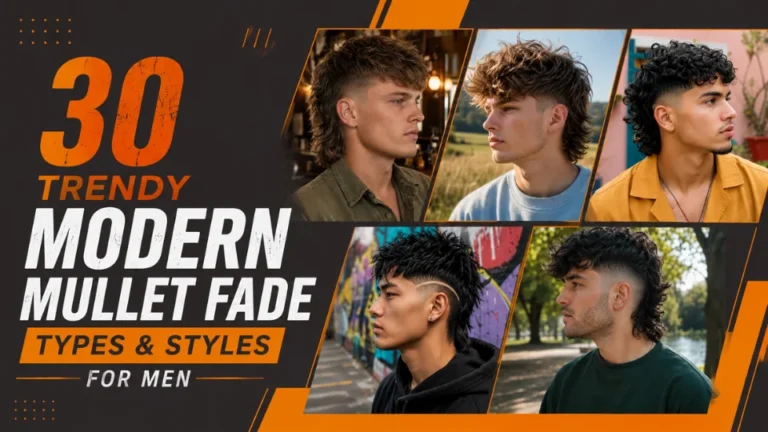
For a sharper, more defined take on the style, check out our Modern Mullet Fade guide for fade variations, styling ideas, and tips for getting the right look.
17. Straight Mullet With Low Fade

The fade starts just above the ear, keeping the transition subtle while still adding a clean, defined edge to the sides.
18. Modern Straight Hair Mullet With Mid Fade

Starting slightly higher than a low fade, this option offers a nice middle ground between subtle and dramatic contrast.
19. Straight Mullet With High Fade

A high fade starts near the temple, creating maximum contrast between the short sides and the longer top and back sections.
20. Straight Burst Fade Mullet

The burst fade curves around the ear rather than running in a straight line, softening the transition while still looking sharp.
21. Modern Straight Mullet With Skin Fade

This fade goes all the way down to bare skin, delivering the boldest, most defined version of the fade mullet combination.
22. Modern Straight Hair Mullet With Taper Fade

A hybrid technique that blends fading with tapering, offering a softer transition than a pure fade while still looking tidy.
Taper & Fringe Straight Hair Mullet Styles
These styles focus on softer transitions and front styling, giving a slightly more refined appearance overall.
23. Soft Tapered Straight Mullet

A gentle taper keeps things understated, making this one of the most versatile and workplace-friendly mullet variations.
24. Low Taper Modern Straight Mullet

Similar to the soft taper but starting even lower, this style keeps most of the length intact while still cleaning up the neckline.
25. Straight Mullet With Blunt Fringe

A straight-across fringe adds a retro touch, framing the face while contrasting with the longer back section.
26. Modern Straight Mullet With Textured Fringe

Rather than a blunt line, this fringe is cut with texture for a softer, more tousled front that still frames the face nicely.
27. Straight Hair Mullet With Side Part

A defined side part adds a touch of polish, making this style easy to dress up for more formal occasions.
Modern & Edgy Straight Hair Mullet Styles
For men who want to push boundaries, these styles combine the mullet with other bold cutting techniques.
28. French Crop Straight Mullet

This combines the popular French crop’s short, textured fringe with mullet-length hair at the back for a distinctly modern silhouette.
29. Modern Straight Mullet With Undercut

An undercut shaves the lower sides and back much shorter than the top, creating dramatic contrast beneath the longer mullet length.
30. Disconnected Straight Mullet

This style intentionally skips a smooth blend between sections, creating a bold, segmented look between the short sides and long back.
31. Straight Mullet Mohawk

A striking combination that narrows the top into a mohawk-like strip while keeping the classic mullet length flowing down the back.
32. Modern Straight Mullet With Beard Blend

This style blends the fade or taper seamlessly into a beard, creating one cohesive, well-groomed look from hairline to jaw.
Straight Mullet Styles for Different Hair Densities

Not every mullet variation suits every hair type equally. Here’s how to think about density when choosing your cut.
Fine Straight Hair: Fine, straight hair benefits from lighter layering and added volume techniques at the crown. Avoid over-thinning, which can make the hair look sparse or limp.
Medium Density Straight Hair: This is the most flexible category. Almost any mullet style listed above will work well, from subtle tapers to bold fades and shag-inspired cuts.
Thick Straight Hair: Thick straight hair can handle heavier layering and more dramatic length differences without looking overwhelming. Textured and choppy styles tend to shine here.
How to Style a Straight Hair Modern Mullet
Once you’ve got the cut, styling makes all the difference in how sharp it looks day to day. Follow these steps for the best results.
Start With Damp, Towel Dried Hair
Begin styling when hair is damp but not soaking wet. This gives you enough control to shape it without fighting excess water weight.
Build Natural Lift at the Top
Use a round brush or your fingers while blow-drying to lift the roots, preventing the flat look that straight hair can sometimes fall into.
Shape the Sides and Back
Comb the sides close to the head for a clean finish, while allowing the longer back section to fall naturally or directing it slightly with your fingers.
Create Texture Without Overdoing It
A texturizing spray or light pomade worked through with fingers adds separation and dimension, especially helpful for fine or medium-density hair.
Finish With a Light Hold
Apply a light-hold product to set the style without stiffness. This keeps movement natural while still holding shape throughout the day.
Top Styling Products for a Straight Mullet

Straight hair can lose volume quickly, so lightweight products are usually more useful than heavy formulas. The right choice depends on whether you want lift, texture, separation, or a smoother finish.
- Volumizing mousse or spray: Helps add lift at the roots and prevent the top from falling flat.
- Matte clay or paste: Adds texture and light hold without making straight hair look overly shiny.
- Sea salt spray: Creates grit and separation for messy, choppy, or textured mullet styles.
- Lightweight pomade: Smooths and defines the longer back while keeping the finish controlled without excessive weight.
What to Ask Your Barber for a Straight Modern Mullet

Clear communication with your barber can make a significant difference in the final result. Bring reference photos and describe your hair honestly, including its density and any natural cowlicks, then specify the fade or taper height since even small differences can change the entire look.
Also mention how much length you want to keep at the back, as barbers may trim more than expected. Finally, ask how the style will grow out so your barber can explain how to maintain its shape between visits as the cut gets longer.
Straight Hair Mullet Maintenance Tips
Keeping a straight mullet looking sharp requires occasional upkeep, though it’s generally lower maintenance than many other trendy cuts. A full mullet reshaping is usually needed every four to six weeks, while faded or tapered sides may need earlier touch-ups to keep the sides looking clean
Washing with a lightweight shampoo prevents buildup that can weigh down fine straight hair. Occasional deep conditioning helps keep the longer back section healthy, since it experiences more wear over time.
Common Mistakes With a Straight Hair Mullet
A great mullet comes down to execution. Here are the mistakes that can affect the final shape and appearance.
Losing Too Much Volume Around the Crown: Cutting too much weight from the top can leave straight hair looking flat and lifeless, especially without proper layering to compensate.
Over Thinning Hair That Is Already Fine: Thinning shears can be overused on fine hair, leaving noticeable gaps or an unnaturally sparse appearance at the roots.
Pushing the Fade Too High at the Back: A fade that climbs too high can disrupt the natural transition into the mullet’s longer back section, making the cut look disconnected.
Leaving the Back Too Thick or Boxy: Without some layering, the back section can look heavy and shapeless rather than flowing naturally with the rest of the cut.
Weighing Down the Hair With Too Much Product: Straight hair is prone to looking greasy or flat when overloaded with product, which can undo an otherwise well-cut style.
Cutting Against Your Natural Crown Pattern: Every head has a natural hair growth pattern, and ignoring it can cause cowlicks or awkward parting that’s hard to style around.
Bringing a Reference That Does Not Suit Your Hair Type: A style that looks amazing on thick, wavy hair might not translate well to fine, straight hair. Always ask your barber how a reference photo should be adapted to your texture and density.
FAQs About Straight Hair Mullets
Can You Get a Mullet With Pin Straight Hair?
Yes. Pin straight hair can work particularly well for a mullet because it clearly shows the haircut’s lines and transitions. The cut may need thoughtful layering to avoid looking flat, but it’s absolutely achievable.
Should a Straight Hair Mullet Be Layered?
Layering can be helpful for straight hair mullets because it removes excess weight and adds movement, especially when the back feels heavy. However, the amount of layering should depend on your hair density and the look you want.
Can a Straight Mullet Have a Fade?
Fades are one of the most popular pairings with straight mullets, since the fade’s sharp lines are especially visible against straight hair’s smooth texture.
How Do I Style a Straight Hair Mullet?
Start with damp hair, build lift at the roots while drying, then use a light styling product to define texture and hold the shape without weighing hair down.
Does a Straight Hair Mullet Need Daily Styling?
Some daily styling is usually needed to maintain lift and prevent flatness, though it typically takes just a few minutes with the right products.
How Can I Add Texture to Straight Hair in a Mullet?
Texturizing sprays, sea salt sprays, and point-cut layering from your barber are the most effective ways to add texture to naturally straight hair.
Can Fine Straight Hair Look Flat With a Mullet?
Fine straight hair can look flat if it’s over-thinned or styled without volume techniques, but proper cutting and root-lifting products can prevent this.
How Often Should a Straight Mullet Be Trimmed?
Most men should aim for a trim every four to six weeks, especially to maintain a clean fade or taper along the sides.
Can I Grow a Straight Mullet From a Regular Short Haircut?
Yes, though it typically takes a few months of growing out the back while maintaining shorter sides through regular trims during the transition.
What Face Shapes Suit a Straight Hair Mullet?
Most face shapes can wear a straight mullet successfully, though the specific style like fringe length or fade height can be adjusted to flatter individual features.
Is a Straight Mullet Suitable for Professional or Office Settings?
Subtler versions, like the business mullet or soft taper styles, tend to work well in professional settings, while bolder fades or mohawk mullets may be better suited to more casual environments.
Can I Style a Straight Mullet at Home?
Yes, with the right products and a bit of practice, most straight mullet styles are manageable to maintain at home between barber visits.
Is a Straight Hair Mullet High Maintenance?
Compared to many trendy cuts, a straight mullet is relatively low maintenance, requiring mainly regular trims and a quick daily styling routine.
Final Thoughts
Straight hair is a versatile texture for a modern mullet because it naturally shows the haircut’s shape, clean transitions, and contrast between the shorter front and longer back. With 32 variations to choose from, you can keep the look subtle with a soft taper or take it further with a skin fade, textured finish, or wolf inspired shape.
The best choice depends on your hair density, face shape, lifestyle, and how much styling you want to do each day. Bring reference photos to your barber, explain how much length you want to keep in the back, and discuss the fade or taper height before the cut begins. With the right proportions and regular maintenance, a straight hair mullet can be both distinctive and easy to wear.

Randy Cox
Randy Cox is a men’s hairstyling writer and grooming enthusiast sharing expert inspired guides on modern mullets, styling tips, and the latest men’s haircut trends.