
30 Trendy Modern Mullet Fade Types & Styles for Men
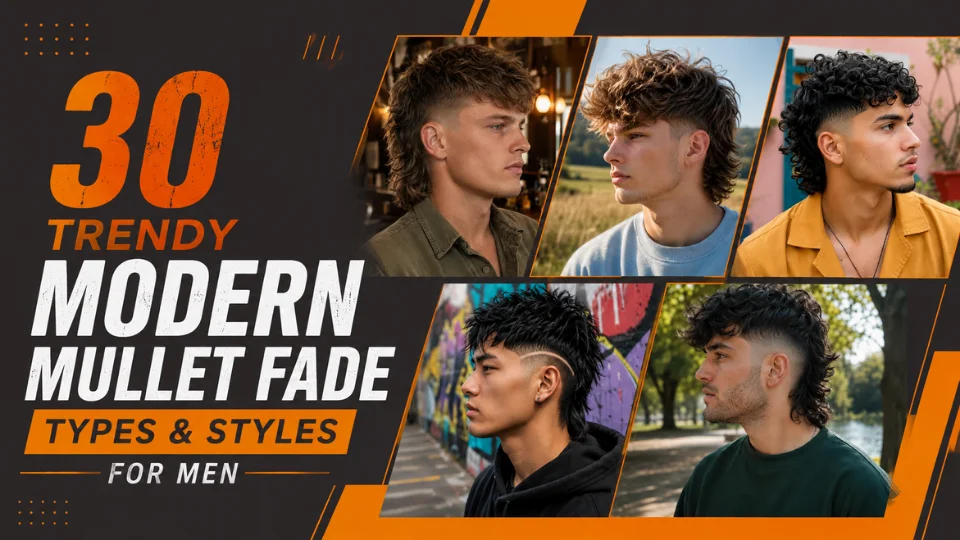
The mullet is back, but it doesn’t look like it did in the ’80s. Paired with a sharp fade on the sides, it’s become one of the most requested cuts in barbershops right now.
If you’re wondering which version fits your hair, your face, or your lifestyle, this guide breaks down every major type and style of the modern mullet fade. You’ll also learn how to ask for it, how to style it, and how to keep it looking fresh between cuts.
What Is a Modern Mullet Fade?
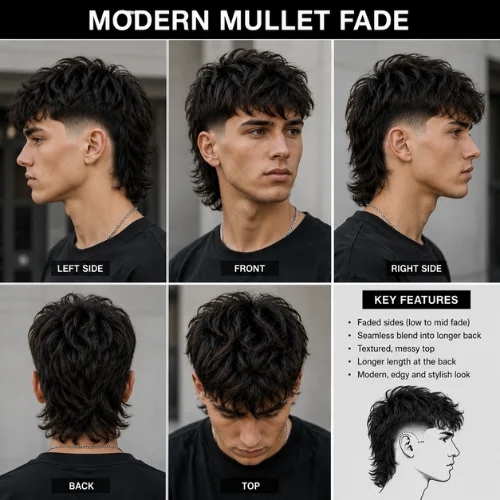
A Modern Mullet Haircut with a fade updates the classic “short front, long back” shape with a clean fade, keeping length on top and at the nape while replacing bulky sides with a tapered, textured finish. It blends the rebellious character of a mullet with the cleaner finish of a fade, creating a more polished and intentional look.
Modern Mullet vs Fade
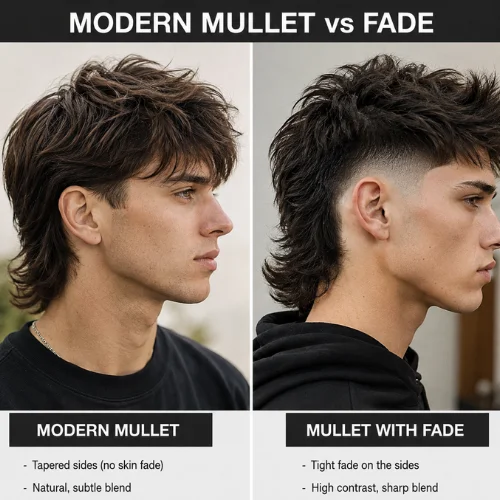
A “fade” refers to how the sides are cut, while a mullet describes the length pattern of the overall haircut. So technically, you’re not choosing between the two; you’re choosing how to combine them.
Modern Mullet Fade vs Taper
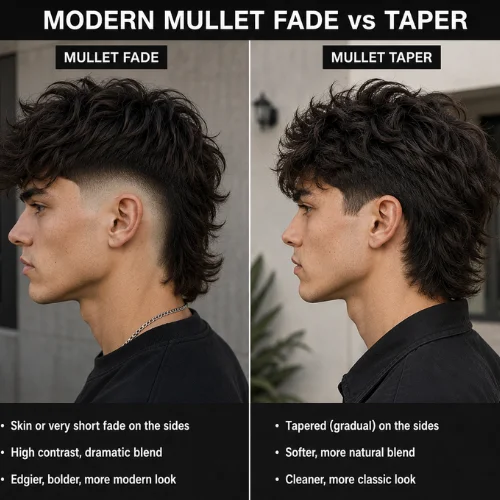
A taper creates a softer, natural transition, while a fade gives sharper contrast; on a modern mullet, neither is better; it depends on how bold you want the cut to look.
Related Article: Modern Mullet Taper Styles for Men
Top 30 Modern Mullet Fade Types & Styles to Try
There are several distinct types of modern mullet fades, and they differ mainly in how the fade is executed on the sides.
Modern Mullet Burst Fade
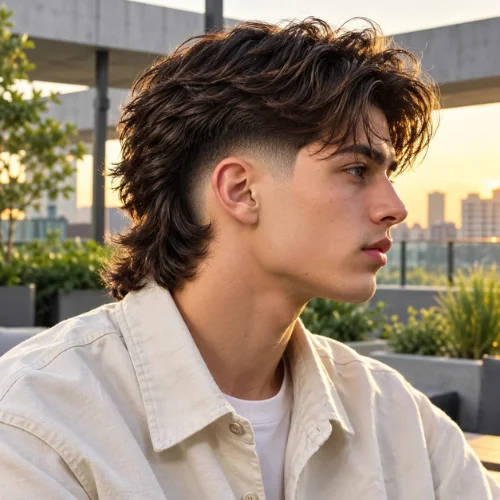
The burst fade curves around the ear, pairing well with a mullet’s flowing back while adding shape without looking harsh.
Want more ways to wear this burst fade? See 46 Best Burst Fade Mullet Styles for Men in 2026.
Modern Mullet Low Fade
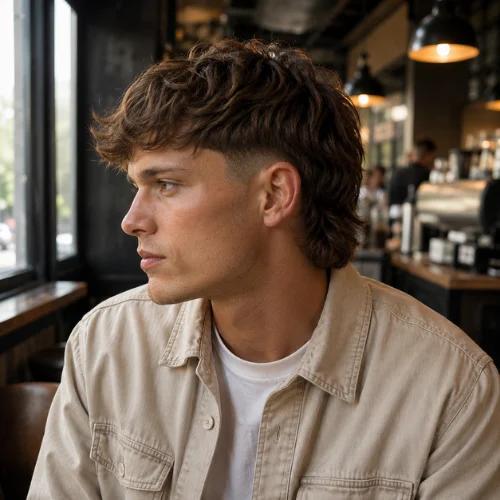
A low fade mullet keeps the fade close to the hairline and ears, making it a subtle choice for easing into the trend or working in a conservative setting.
Modern Mullet Taper Fade
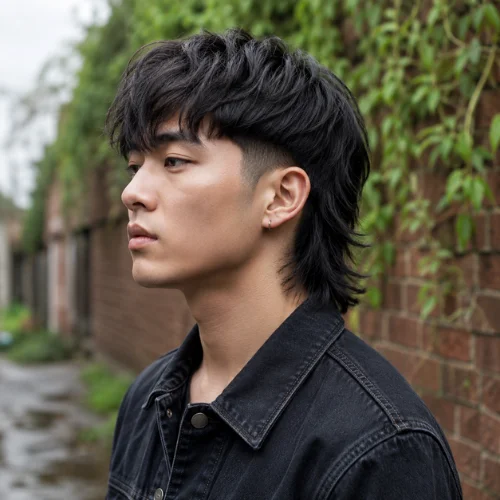
A taper fade gradually shortens the hair without going all the way down to skin. Combined with a mullet, it gives a softer, more natural look than a full fade, which some guys prefer for everyday wear.
Classic Modern Mullet Fade
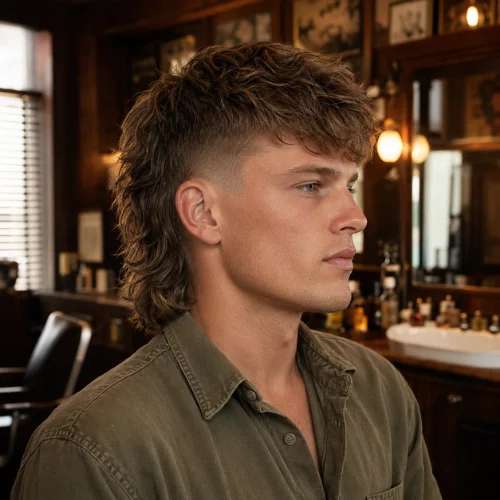
This is the baseline version: a straight, traditional fade on the sides with a moderately long back section. It’s the reference point most other variations build from.
Mid Fade Modern Mullet
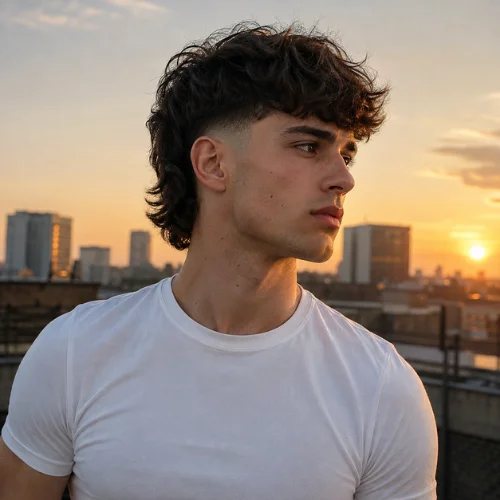
Sitting between low and high, the mid fade starts around the temple area. It’s a balanced choice that gives visible contrast without being too dramatic.
Modern Mullet High Fade
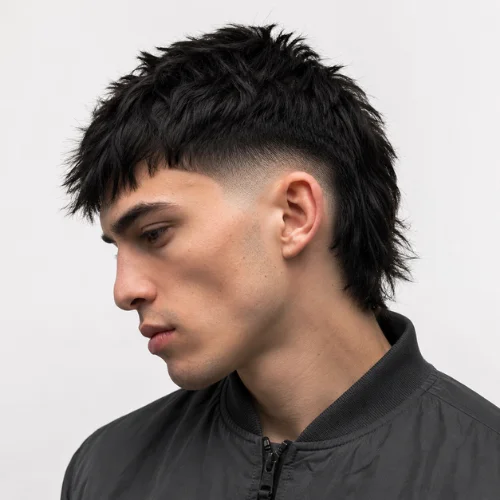
A high fade starts much closer to the top of the head, creating a bigger contrast between the short sides and the long back. It’s a bolder, more dramatic take on the cut.
Modern Mullet Skin Fade
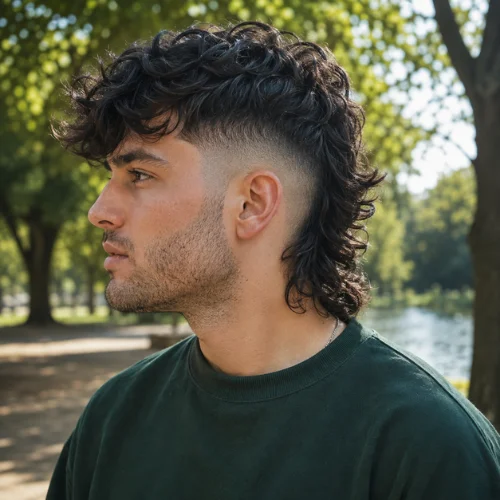
Also called a bald fade, this version fades all the way down to the skin. It’s the sharpest, cleanest-looking option and tends to require the most frequent touch-ups to stay crisp.
Undercut Mullet Fade
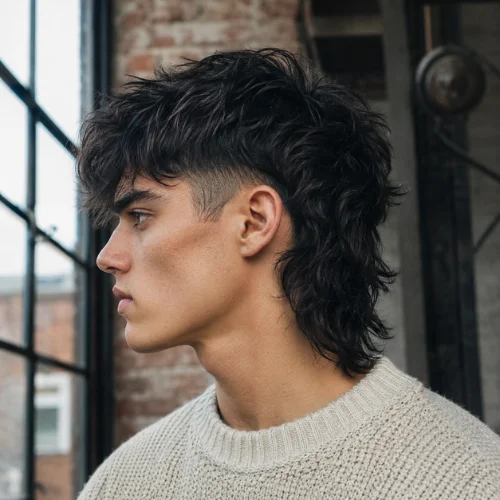
An undercut mullet fade combines a disconnected, shaved down section with longer hair on top and at the back. It creates a stronger contrast than a standard fade and suits guys who want a more dramatic look.
Textured Modern Mullet Fade
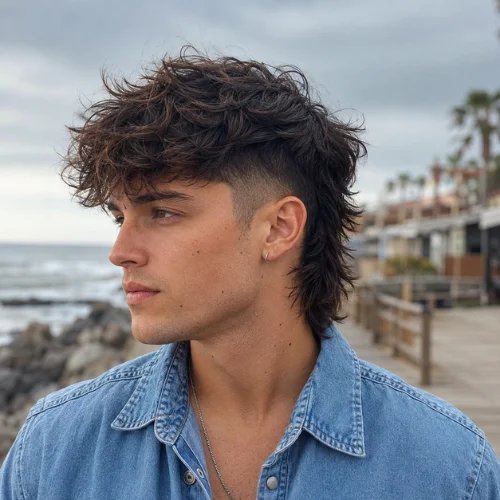
This variation focuses on the top and back sections rather than the sides. Choppy, textured layers are cut into the longer hair to give it movement and reduce that flat, heavy look mullets can sometimes have..
Fringe Modern Mullet Fade
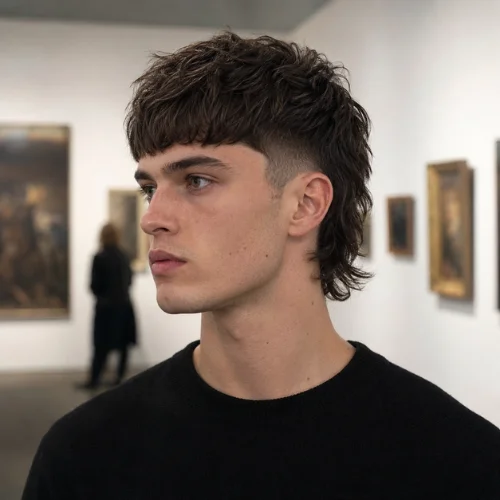
Adding a fringe brings the length forward over the forehead, softening the face and balancing out longer back sections. It’s a popular choice for guys with straight or wavy hair.
Middle Part Modern Mullet Fade
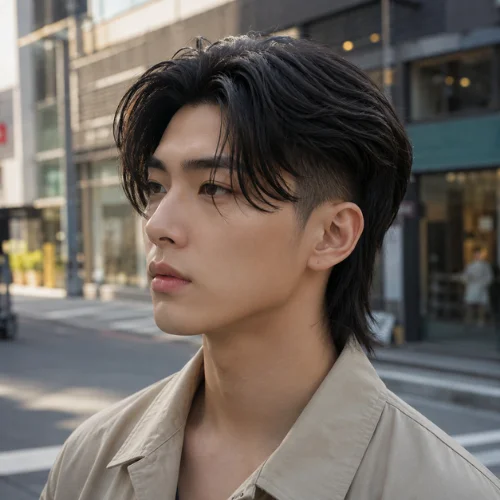
A center part on top gives the mullet a slightly retro, effortless feel. It works especially well with medium length top sections that have enough weight to fall naturally on either side.
Layered Modern Mullet Fade
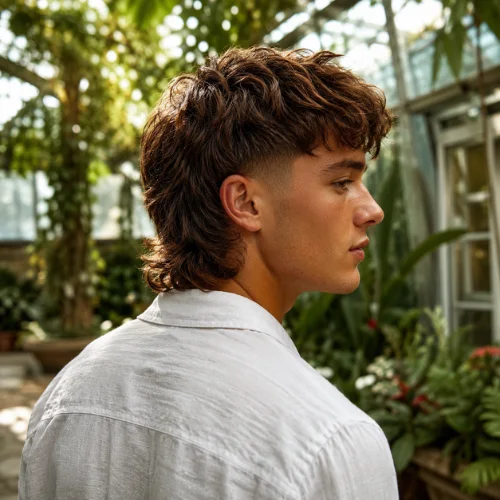
Layering removes bulk from the back and top, creating movement and preventing the classic “helmet” look older mullets were known for.
V Back Modern Mullet Fade
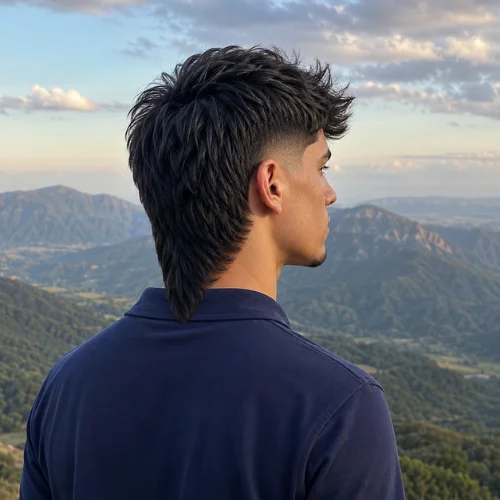
Instead of a straight line at the nape, the back is cut into a V shape. It’s a small detail that adds a lot of visual interest and makes the back of the cut feel more finished.
Sporty Modern Mullet Fade
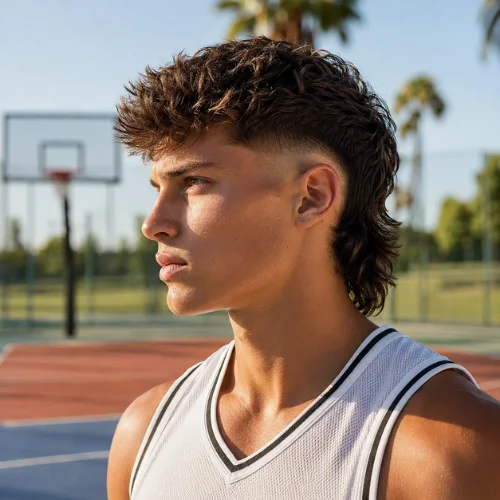
This version keeps things shorter and lower maintenance overall, with a tighter fade and less length in the back. It suits active guys who don’t want to fuss with styling every day.
Wolf Cut Modern Mullet Fade
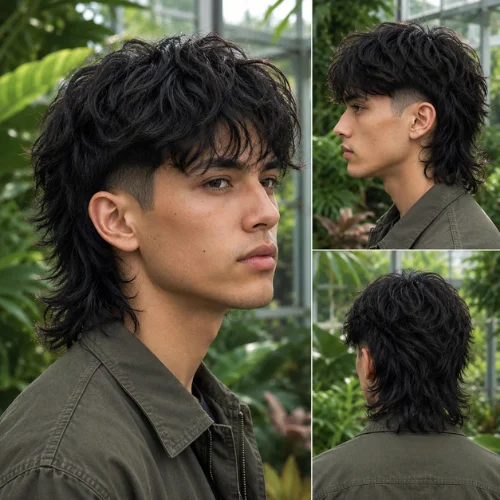
The wolf cut blends mullet and shag influences, with heavy layering and lots of texture throughout. Combined with a fade, it creates one of the shaggier, more voluminous versions of this haircut.
Modern Mullet Fade Line Design
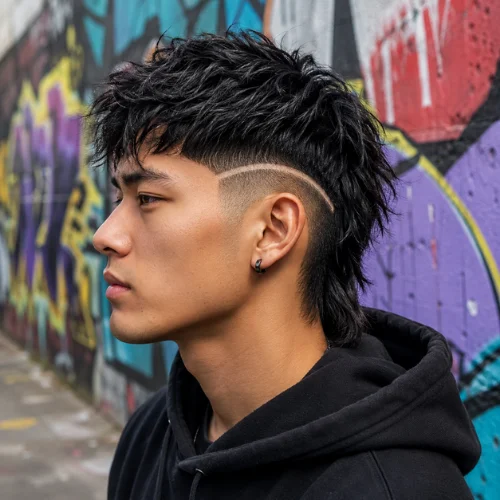
A shaved line, whether straight, curved, or a small pattern, gets cut into the fade for extra detail. It’s a way to personalize the cut and add a bit of edge.
Short Modern Mullet Fade
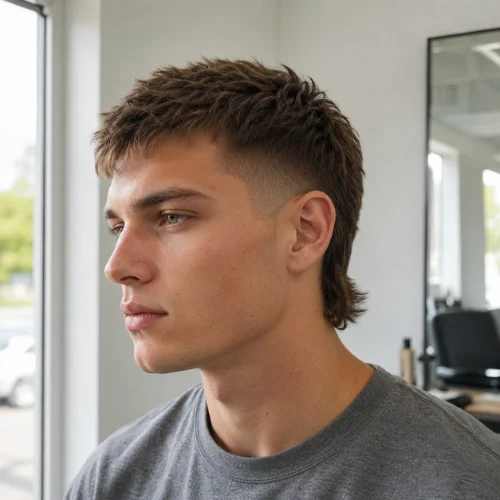
For guys who want the mullet silhouette without much commitment, keeping both the top and back on the shorter side is a subtle, low-maintenance option. For a more detailed look at this versatile style, check out our guide to the Short Modern Mullet.
Long Hair Modern Mullet Fade
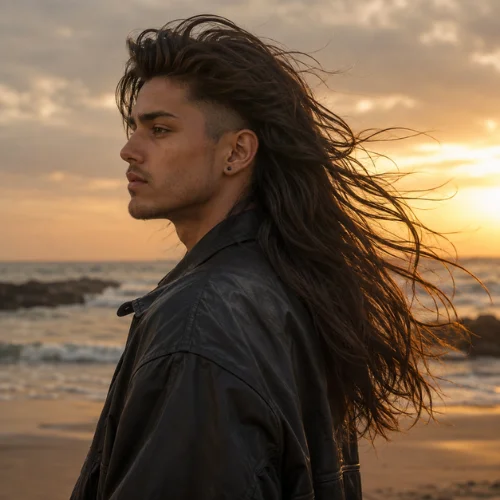
On the flip side, a longer back section makes for a more dramatic, statement making mullet. This version needs more regular trims to keep the shape looking deliberate rather than overgrown.
Modern Mullet Fade Straight Hair
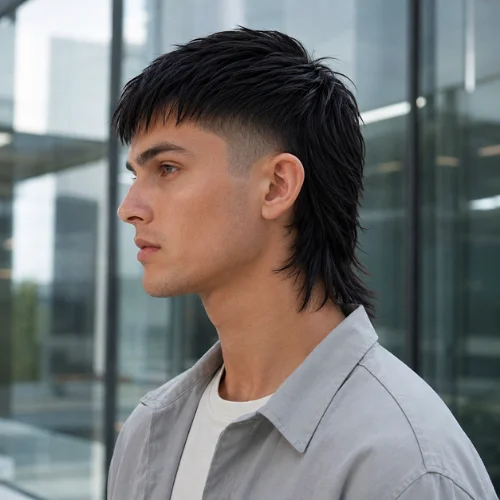
Straight hair holds the classic mullet silhouette really well, since the back section falls flat and shows off the length clearly. Fringe and middle part styles tend to look especially clean on straight hair mullet.
Modern Mullet Fade Curly Hair
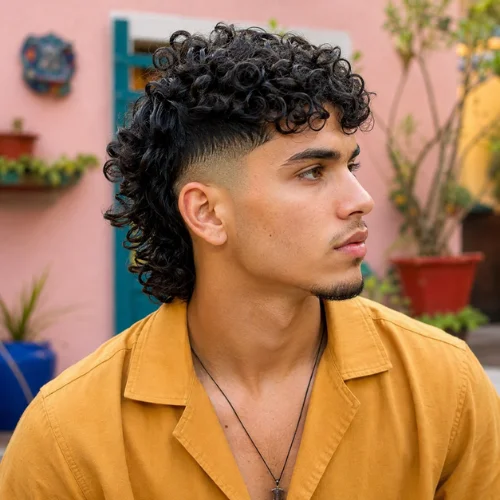
Curly hair adds natural volume and texture, which pairs nicely with burst and taper fades. The curls at the back give the mullet extra personality without much extra styling effort.
Explore our Modern Curly Mullet guide for more style ideas.
Modern Mullet Fade Wavy Hair
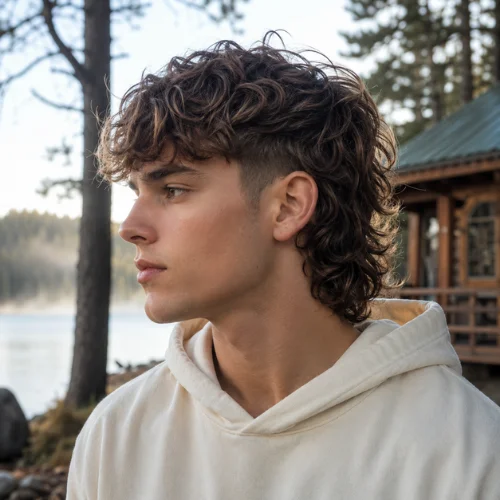
Wavy hair sits somewhere in between, offering movement without the volume of tight curls. It works well with layered and textured styles that let the waves show through.
Modern Mullet Fade Fine Hair
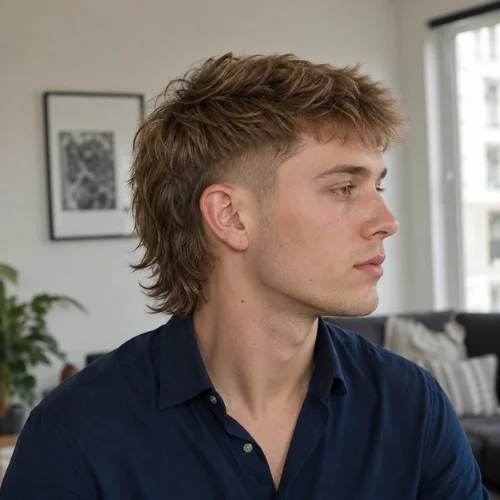
Fine hair benefits from lighter layering and shorter back lengths, since too much weight can make it look flat instead of full. A taper fade tends to work better here than a high contrast skin fade.
Modern Mullet Fade for Asian Hair
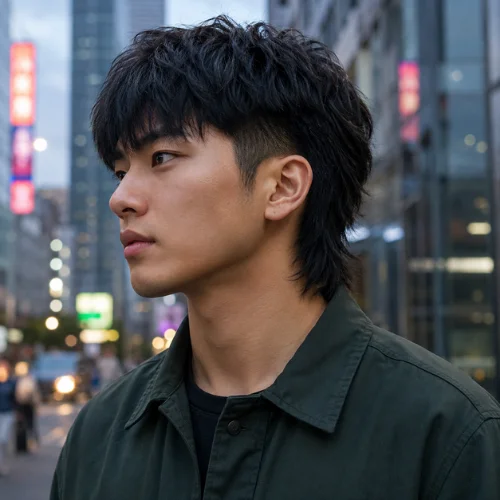
Many Asian hair textures are naturally thick or straight, which can work well with textured and layered mullet fades that control volume while keeping the back defined.
Blonde Modern Mullet Fade
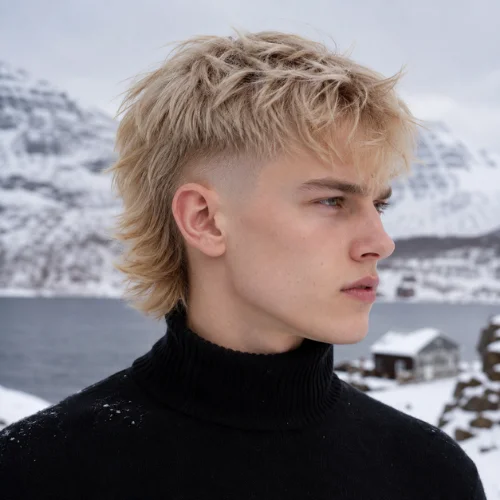
Lighter hair can make the contrast between the fade and longer sections more noticeable, especially with burst or skin fades.
Permed Modern Mullet Fade
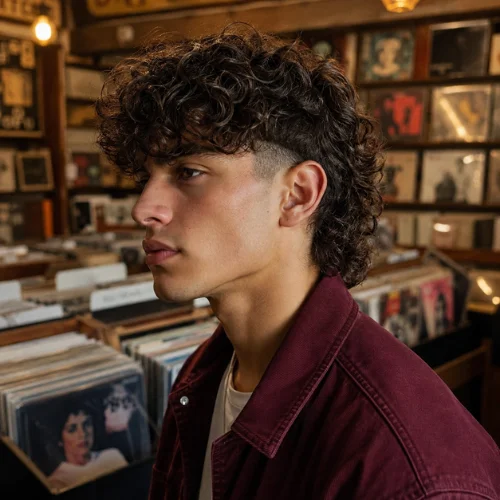
A light perm adds curl and volume to straight hair, giving the mullet section extra texture. It’s a popular way to get a curly look without naturally curly hair.
Fluffy Modern Mullet Fade
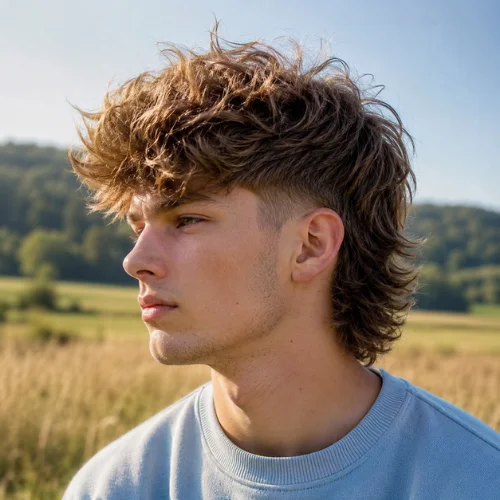
This style relies on a blow dry technique and lightweight product to create extra volume on top, giving the whole cut a soft, voluminous finish.
Modern Mullet Drop Fade
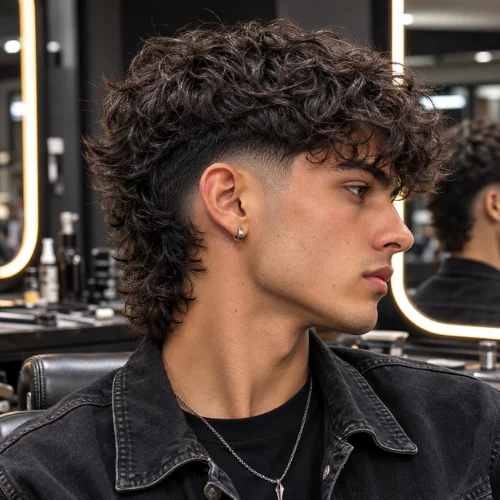
The fade drops lower toward the back, creating a smooth transition from the short sides into the longer mullet layers.
Modern Mullet Shadow Fade
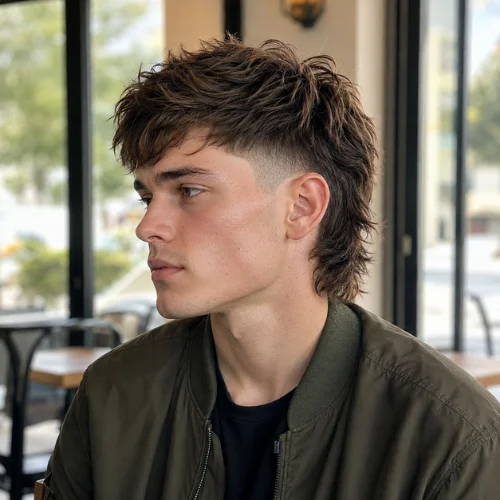
A shadow fade keeps the sides softly blended, giving the mullet a clean look while maintaining its natural, textured shape.
Modern Mullet Temple Fade
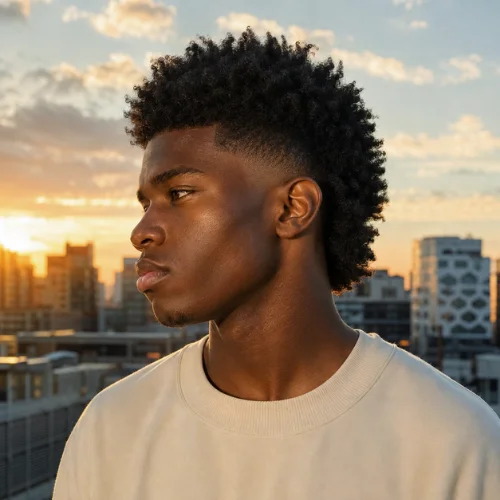
The fade focuses around the temples, adding a clean edge while keeping the longer mullet layers at the top and back.
Modern Mullet Fade With Beard
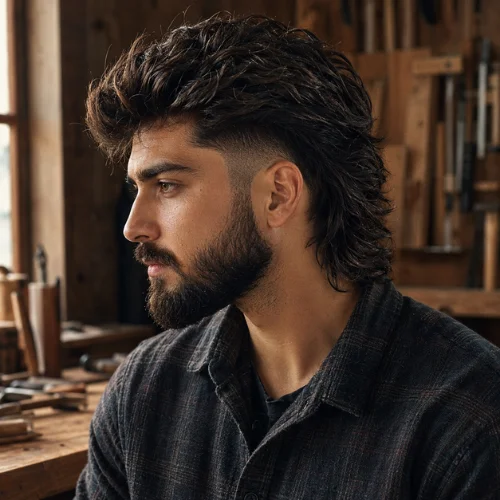
Pairing a mullet fade with a well-groomed beard rounds out the overall look and adds balance to the face.
Best Face Shapes for a Modern Mullet Fade
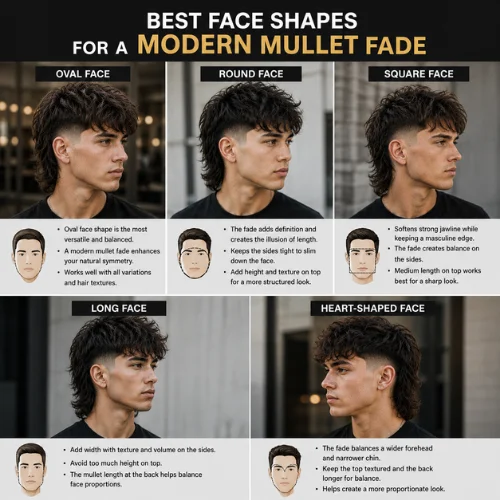
Most face shapes can wear a modern mullet fade, but a few adjustments help it look its best.
Oval Face
Oval faces are considered the most versatile shape, meaning nearly every version of this cut, from burst fades to fringe styles, works well without adjustment.
Round Face
Higher fades and more height on top help elongate a round face, so a high fade or textured top is a smart choice here.
Square Face
Softer, layered styles balance out strong jawlines. A textured or fringe mullet fade works nicely on square faces.
Long Face
Longer faces benefit from added width, so keeping some volume on the sides with a low or mid fade helps create better proportion.
Heart-Shaped Face
A fuller back section balances a narrower chin, making mid length or long hair mullet fade a good match for heart-shaped faces.
How to Ask Your Barber for a Modern Mullet Fade
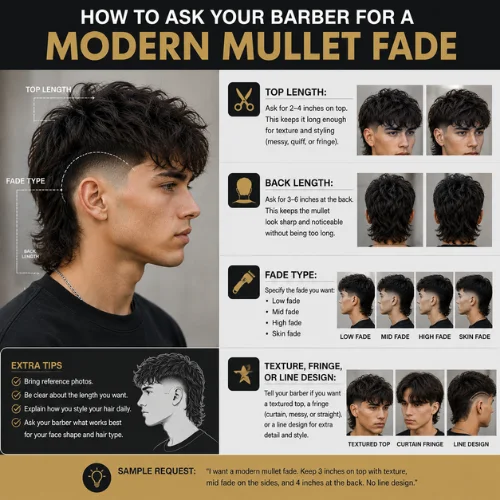
Walking in with a clear description makes a big difference in getting the cut you actually want. Try breaking your request into four parts:
Top length: how much length you want left on top (short, medium, or long).
Back length: how far down the neck the mullet section should extend.
Fade type: low, mid, high, taper, burst, or skin fade on the sides.
Texture, fringe, or line design: any extra detail like a shaved line, fringe, or added texture.
Bringing a reference photo alongside this description helps avoid miscommunication, since “mullet fade” can mean very different things to different barbers.
How to Style a Modern Mullet Fade
Styling depends on your hair type and the specific version of the cut, but a few basics apply across the board.
Modern Mullet Fade Tutorial
Step 1: Towel-dry hair to 80% styling product grips damp hair better than soaking wet hair.
Step 2: Apply a pea-sized amount of styling cream to the top and back sections, avoiding the faded sides to keep them looking clean.
Step 3: Blow-dry the top and crown upward if you want extra volume, or air-dry for a more natural, textured finish.
Step 4: Comb or finger-style the back section into the desired shape, whether that’s a
V-back, layered flow, or straight drop.
Step 5: Finish with a light-hold texture spray on the top only, to lock the shape without stiffening the hair.
What Products Should I Use to Style a Mullet Fade?
A matte clay or paste works well for texture and hold without excess shine, while a light pomade helps control the longer back section. For curly or wavy hair, a curl cream can help define texture without weighing it down.
How to Maintain a Modern Mullet Fade
Keeping a mullet fade sharp requires more attention than a basic haircut, mainly because of the fade.
Is a Mullet Fade Hard to Maintain?
A traditional fade alone is generally easier to maintain than a mullet fade, since there’s no long section to manage and style separately. Mullet fades need upkeep on both the fade line and the length at the back.
How Long Does a Modern Mullet Fade Last?
Many people refresh the fade every two to three weeks to keep it looking crisp, while the longer back section can often go six to eight weeks between trims.
How Long Does It Take to Cut a Mullet Fade?
Most barbers need around 30 to 45 minutes for a mullet fade, slightly longer than a standard fade due to the extra detail work on the back and top sections.
Modern Mullet Fade Comparison: Top Options at a Glance
| Fade Type | Key Feature | Best For | Maintenance Frequency | Grow-Out |
| Burst Fade | Curves around the ear | Round and heart-shaped faces | Every 2–3 weeks | Moderate |
| Low Fade | Starts above the ear | First-timers, work settings | Every 3–4 weeks | Easy |
| Taper Fade | No hard skin line | Softest, most versatile look | Every 4 weeks | Easiest |
| Skin Fade | Tapers to bare skin | Sharpest, boldest contrast | Every 2 weeks | Hardest |
| High Fade | Starts near the crown | Thick hair, bold styles | Every 2–3 weeks | Hard |
Best starting point: A taper fade is often the easiest option for beginners because it offers a clean silhouette with relatively low upkeep.
Is the Mullet Still in Style in 2026?
In 2026, the mullet is still a popular choice, especially when paired with fades, textured layers, and other contemporary styling techniques.
Frequently Asked Questions
Is a Modern Mullet Fade Good for Straight Hair?
Yes. Straight hair shows off the length and shape of the mullet section clearly, especially with fringe or middle part styling.
What Fade Is Best for a Modern Mullet?
A burst fade is one of the most popular pairings for a mullet, while low and taper fades work well for a more subtle everyday look.
Is a Mullet Fade Good for a Round Face?
Yes, with some adjustment. Adding height on top and choosing a higher fade helps elongate a round face shape.
Can I Switch From a Fade to a Mullet?
Yes. Since a mullet is about length placement rather than a totally different cutting technique, a barber can grow out and reshape an existing fade into a mullet over a few sessions.
Does a Mullet Work With Curly Hair?
Yes, curly hair naturally adds volume and texture to the back section, giving the mullet extra character.
Can a Mullet Fade Be Short?
Yes. Keeping both the top and back sections shorter creates a subtler, lower maintenance version of the cut.
Which Looks More Professional: a Fade or a Mullet?
A standalone fade generally reads as more traditional and workplace safe, while a mullet fade leans more fashion forward, though a low fade, shorter back version can still look polished.
Can a Mullet Be Combined With a Fade?
Yes, that combination is exactly what a mullet fade is, a mullet’s length pattern paired with a fade’s clean, blended sides.
Which Is More Attractive: a Mullet or a Fade?
It comes down to your style, face shape, and desired attention: a regular fade feels clean and classic, while a mullet fade adds more personality and distinction.

Randy Cox
Randy Cox is a men’s hairstyling writer and grooming enthusiast sharing expert inspired guides on modern mullets, styling tips, and the latest men’s haircut trends.


