Low Taper Mullet: 48 Best Styles & Barber Tips for 2026

A modern mullet low taper combines the longer back of a modern mullet with a soft taper around the lower sides, sideburns, and neckline, while keeping the top textured for a cleaner, less bold look that works for work, school, or everyday settings. This guide covers how the cut works, how it differs from similar mullet styles, 48 variations, who it suits, what to tell your barber, and how to style and maintain it in 2026.
What Is a Low Taper Mullet?
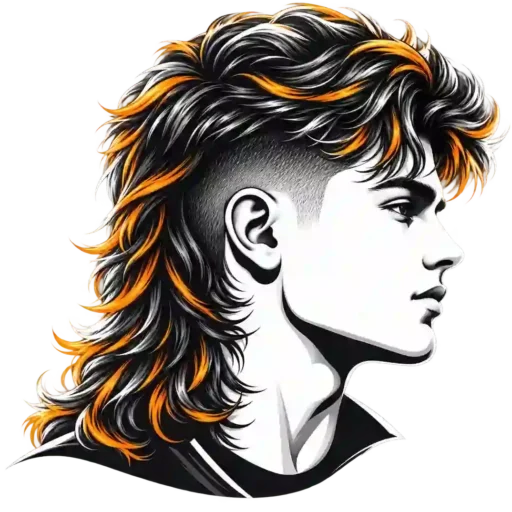
A modern mullet low taper combines the textured, longer back of a modern mullet with a low taper around the sides and nape. The hair gradually shortens near the sideburns and neckline while keeping most of the length visible for a clean, subtle finish.
Here is what defines the cut:
- Sides: Short and softly tapered.
- Top: Textured, layered, or fringed.
- Back: Longer than the sides, from a tidy tail to a more dramatic length.
- Neckline: Softly tapered, rounded, or squared.
Unlike a fade, a low taper keeps more visible hair around the sides and neckline instead of creating a broad, skin-level transition.
Low Taper Mullet vs Other Mullet Styles

Several mullet variations sound similar, and barbers use the terms loosely. The differences come down to where the shortening starts and how much skin shows.
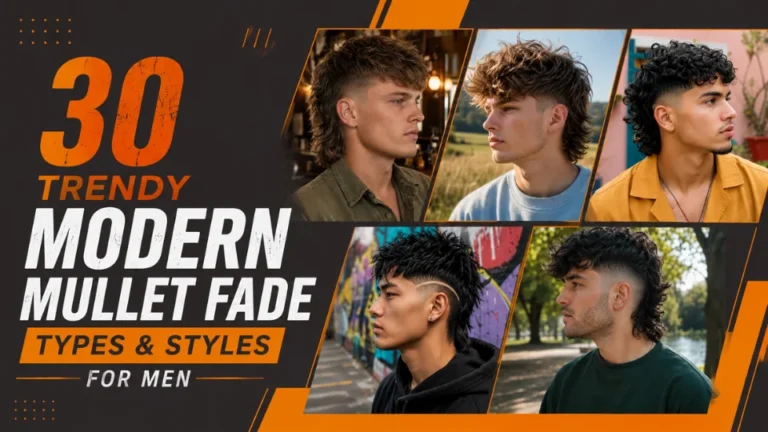
If you prefer sharper sides and more contrast, explore these 30 trendy modern mullet fade types and styles for men.
Low Taper Mullet vs Taper Mullet

“Taper mullet” is the broader term for any mullet with a low, mid, or high taper, while a low taper mullet is the most conservative version, leaving more hair around the ears with a gentle transition; mid or high tapers shorten the hair higher up the head and create stronger contrast with the top.
If you’re looking for more haircut ideas, check out these 25 Best Modern Mullet Taper Styles for Men (2026)
Low Taper Mullet vs Modern Mullet

A modern mullet is defined by its overall shape. It’s usually textured, layered, and less severe than the 1980s original. A low taper is a technique that can be used inside that shape. So a modern mullet can have a low taper, a fade, or no taper at all. A low taper mullet is one specific way to build it.
If you want to explore different variations, check out these 55 modern mullet haircut ideas for men to try in 2026
Low Taper Mullet vs Low Fade Mullet

Both start low, but they finish differently. A low fade mullet takes the sides down to very short hair or skin around the ears and nape, which looks sharper and more graphic. A low taper mullet keeps more length at the edges. It grows out more gracefully and needs less frequent upkeep.
Low Taper Mullet vs Burst Fade Mullet

A burst fade curves around the ear in a semicircle while leaving the back longer, making it a natural match for mullets by framing the ear and preserving the tail; it is more dramatic and defined than a low taper, so choose the burst for a bolder shape or the taper for a subtle style that is easier to grow out.
If you prefer a sharper, more defined look, explore these 46 best burst fade mullet styles for men in 2026.
| Feature | Low Taper Mullet | Low Fade Mullet | Burst Fade Mullet |
| Side contrast | Soft | Medium to high | High around the ear |
| Skin showing | Minimal | Noticeable | Can be noticeable |
| Grow-out | Easy | Moderate | Moderate |
| Overall look | Natural and subtle | Clean and sharp | Bold and defined |
| Best for | Everyday and workplace looks | Sharper styles | Statement looks |
48 Best Low Taper Mullet Styles for Men in 2026
Each style below can be adjusted to your hair type and length. Image suggestions come with short alt text for each.
1. Classic Low Taper Mullet

The baseline cut: short tapered sides, a textured top, and a medium-length back. It is balanced and easy to maintain, so it’s a good first mullet.
2. Textured Low Taper Mullet

Choppy layers on top add movement and break up the shape. A light matte paste keeps the texture visible without making it look stiff.
3. Curly Low Taper Mullet

The curls form the top and tail while the taper keeps the sides tidy. Leave extra length in the back to allow for shrinkage.
For more inspiration, explore these 50 modern curly mullet styles, fades, tapers, and styling tips.
4. Wavy Low Taper Mullet

Natural waves give the cut a relaxed, lived-in look. This version needs little product, usually just a light cream or sea salt spray.
5. Straight Hair Low Taper Mullet

Straight hair shows clean lines and a sleek tail. Layers on top prevent the flat look and add shape.
explore these 32 best straight hair mullet styles for men.
6. Low Taper Mullet With a Close Taper

This version keeps the taper slightly shorter around the sideburns and neckline for a cleaner finish. It looks sharper than a softer taper while still retaining visible hair at the edges.
7. Short Low Taper Mullet

The back stays only slightly longer than the top. It suits people who want the shape without obvious length, and it’s easier to style for formal settings.
For more inspiration, check out these 36 cool short modern mullet haircuts for men.
8. Long-Tail Low Taper Mullet

The tail reaches the collar or beyond, which makes this the most dramatic version. The low taper keeps the sides clean so the length stands out on purpose.
9. Low Taper Mullet With Fringe

A short fringe across the forehead softens the face and adds a casual look. It works well on straight and wavy hair.
10. Low Taper Mullet With Long Fringe

The fringe reaches the eyebrows or lower, which gives the cut a more fashion-forward feel. Styling matters here, since a limp fringe loses the effect.
11. Low Taper Mullet With Middle Part

A center part opens up the face and works with the natural fall of the hair. It works especially well when the top has enough length to part naturally.
12. Side-Parted Low Taper Mullet

A side part adds structure and a slightly more polished look. It is a good choice for office environments.
13. Flowing Low Taper Mullet

The top and back blend into one continuous line, giving a smooth, wind-swept look. It needs longer top hair and regular conditioning.
14. Low Taper Mullet With Beard

A trimmed beard balances the length at the back and adds definition to the jaw. Match the beard density to the taper so the sides look cohesive.
15. Low Taper Mullet With Tapered Sideburns

The sideburns narrow to a clean point instead of ending bluntly. It is a small detail that makes the whole outline look intentional.
16. Low Taper Mullet With Layered Back

Layers in the back stop the tail from looking heavy. This is especially useful for thick hair.
17. Low Taper Mullet With Extended Nape

The tail stretches farther down the neck while the sides stay controlled. It sits between a short tail and a full long one.
18. Low Taper Mullet With Choppy Crown

Cutting the crown in uneven layers gives a messy-on-purpose look. It works well with texture spray.
19. Low Taper Mullet With Heavy Fringe

A thick, blunt fringe creates a bold look. It suits people with dense hair who want a bold, face-framing finish. Alt text: Low taper mullet with a thick, heavy fringe.
20. Low Taper Mullet With Curtain Fringe

The fringe parts in the middle and falls to each side. It frames the face and works well on straight and wavy hair.
21. Low Taper Mullet With Side-Swept Fringe

The fringe is combed diagonally across the forehead. It adds asymmetry and can help balance a wide forehead.
22. Low Taper Mullet With Brushed-Back Crown

The top is swept back from the forehead, which exposes the face and shows off the taper. A light-hold product keeps it in place.
23. Low Taper Mullet With Full Crown Volume

Lift at the crown gives the cut height and presence. A blow dryer and a volumizing product do most of the work.
24. Low Taper Mullet With Feathered Ends

The tips are cut softly so they taper off instead of ending bluntly. It gives a retro feel that suits wavy hair.
25. Low Taper Mullet With Razor-Textured Ends

A razor creates uneven, wispy tips. It works best on thicker hair and should be avoided on very dry or damaged strands.
26. Low Taper Mullet With Natural Wave

This version relies on the hair’s own pattern with minimal styling. It’s ideal if you prefer low-effort routines.
27. Low Taper Mullet With Coiled Texture

Tight coils create a defined, sculpted shape. The taper highlights the density of the top and the length of the tail.
28. Low Taper Mullet With Natural Cowlick

Instead of fighting a cowlick, the cut works with it. The direction of growth becomes part of the style.
29. Low Taper Mullet With Curved Neckline

The back ends in a soft curve that follows the natural hairline. It looks relaxed and grows out gracefully.
30. Low Taper Mullet With Defined Neckline

A sharply squared or shaped edge gives the tail a crisp finish. It looks neat but needs more frequent touch-ups.
31. Low Taper Mullet With Wispy Tail

The tail is softly tapered into lighter strands, creating a relaxed and airy finish. It works especially well for fine hair when the length is kept controlled.
32. Low Taper Mullet With Disconnected Back

The tail is clearly separated from the sides instead of blending in. It creates a stronger contrast and a more deliberate mullet look.
33. Low Taper Mullet With Long Sideburns

Extended sideburns bring a retro feel and connect the cut to a beard or jawline. They work well with a 1970s-inspired look.
34. Shag-Inspired Low Taper Mullet

Heavy layering throughout gives a rock-influenced shape. It works best on wavy hair with enough density.
35. Low Taper Mullet With Burst Fade Detail

A subtle burst fade detail curves around the ear while the rest of the sides retain a softer low taper. It adds extra definition without making the entire side profile as sharp as a full burst fade.
36. Low Taper Mullet With Highlights

Lighter strands add dimension and show off the layers. Blonde and caramel tones work well on dark hair, but bleaching requires extra care to prevent damage.
37. Low Taper Mullet for Fine Hair

Shorter layers, a blunter tail, and light products help fine hair look fuller. Avoid heavy gels that weigh the hair down.
38. Low Taper Mullet With Beard Transition

The beard fades into the sideburns and the tapered sides in one continuous line. A barber needs to plan the two together for the best result.
39. Modern Mullet Low Taper

A modern mullet low taper combines textured layers, a softly tapered finish, and a longer back for a current, balanced look. It can be adapted to different hair types and adjusted from subtle to more defined.
40. Low Taper Mullet With Fluffy Texture

Soft, voluminous hair gives a youthful, airy look. Blow-drying with a light mousse builds the effect.
41. Low Taper Mullet With Textured Crop

A short, choppy top sits above a modest tail. It’s a compact version of the style that works for people who prefer short hair on top.
42. Low Taper Mullet With Pompadour

The front is lifted and swept up for height, while the tail stays long. It’s a bold combination that needs a strong-hold product.
43. Low Taper Mullet With Slick Back

The top is combed straight back and the tail follows. It looks polished, and the taper keeps the sides neat.
44. Low Taper Mullet With Mohawk

A raised center section with tapered sides emphasizes the mullet’s edge. It is a high-attitude style that needs confident styling.
45. Low Taper Mullet With Dreads

Dreadlocks form the top or tail while the tapered sides stay clean. Locs need specialist maintenance, so consult a stylist experienced with them.
46. Low Taper Mullet With French Crop

A short, blunt fringe sits above tapered sides with a tail behind. It is neat, structured, and low maintenance.
47. Low Taper Mullet With Braids

Braids can form the tail or sit on top as a design element. This works especially well with textured and coily hair.
48. Low Taper Mullet With Shaved Design

A small design shaved into the tapered side adds personality. Keep it simple, since the taper leaves less room for detail than a skin fade.
How a Modern Mullet Low Taper Works With Different Hair Textures
The cut adapts to most textures, but the technique changes with the hair.
Straight hair shows the taper clearly and holds a clean line. It can look flat, so layering on top adds shape.
Wavy hair is often the easiest to work with. The natural movement gives the top and tail body without much effort.
Curly hair needs a barber who cuts curls dry or semi-dry. Curls shrink as they dry, so the tail should be left a little longer than you want the final result.
Coily hair gives a strong, defined silhouette. The taper highlights the shape of the top, and the tail can be shaped into a rounded or tapered form.
Fine hair can benefit from shorter layers and a controlled tail so the back looks fuller rather than overly wispy.
Thick hair benefits from thinning or point cutting so the tail doesn’t flare out.
Who Is a Low Taper Mullet Best For?
A low taper mullet is best for men who want a distinctive cut without the high-contrast look of a fade or the length of a traditional mullet. The soft taper keeps it practical for most workplaces and social settings.
It suits:
- Men with wavy, curly, or thick hair, which add natural texture.
- Anyone growing out a shorter cut who wants a stylish intermediate shape.
- People who prefer low-maintenance edges over sharp skin fades.
- Men who want a longer back to balance the overall shape, although the best approach depends on the hairline and face shape.
Fine hair can work with a low taper mullet when the tail is kept controlled and the layers are designed to create the appearance of fullness. A shorter version with a fuller, more structured tail can help the back look denser.
What to Tell Your Barber for a Low Taper Mullet
Barbers use different terms, so clear instructions help more than the name alone. Bring a photo and be ready to explain these points.

- Say “low taper on the sides and nape.” Specify that you want to keep some length around the ear and avoid a skin fade.
- Pick a guard or starting length. If you have a preferred length, mention a guard such as #2 or #3 at the shortest point, then let your barber blend it according to your hair and desired finish.
- Describe the top. State whether you want a fringe, layers, or a textured crop.
- Specify the tail length. Use landmarks such as “to the collar” or “just below the ears”.
- Choose a neckline. Natural, rounded, or squared.
- Ask for texture. Request point cutting or razoring if you want a softer, less blunt finish.
- Mention your hair type and routine. Tell your barber how you usually style your hair and how much time you spend on daily grooming. You can also explore professional barbering and grooming services at Cataluxury Barber for more inspiration.
How to Style a Modern Mullet Low Taper
Most low taper mullets can be styled quickly with a simple routine.
- Start with damp hair. Towel-dry and apply a leave-in conditioner or sea salt spray.
- Blow-dry the top. Use medium heat and lift at the roots for volume.
- Apply product. Work a pea-sized amount of paste, clay, or cream through the top.
- Shape the front. Push the fringe in your chosen direction.
- Leave the tail natural. A light cream or oil prevents frizz without making it look heavy.
- Finish with a light spray. Only use it if you need hold.
Curly and coily hair benefits from curl cream or gel applied to wet hair, then air-drying or diffusing.
Modern Mullet Low Taper for Different Face Shapes
Face shape affects how balanced the cut looks. These are general guidelines, not strict rules.
| Face Shape | Recommended Adjustments |
| Oval | Most variations work; experiment freely. |
| Round | Add height at the crown and keep the sides tight to elongate the face. |
| Square | Choose softer layers and a textured fringe to soften the jaw. |
| Oblong | Use a fuller fringe and avoid excess height on top. |
| Heart | Pick a side-swept or curtain fringe and a fuller tail to balance the chin. |
| Diamond | Keep the sides fuller and use a fringe to soften the cheekbones. |
Best Hair Products for a Low Taper Mullet
Product choice depends on texture and the finish you want.
- Matte clay or paste: Defines texture without shine. Good for choppy tops and straight hair.
- Sea salt spray: Adds grit and wave. It suits fine and straight hair.
- Curl cream or gel: Keeps curls defined and reduces frizz.
- Light pomade: Works for slick back and brushed-back styles.
- Volumizing mousse: Builds fullness at the crown.
- Leave-in conditioner or hair oil: Protects the tail, which is often the longest and most exposed section of the haircut and can be prone to dryness and split ends.
- Shampoo and conditioner for your hair type: Choose shampoo and conditioner according to your hair and scalp needs. Moisturizing formulas can benefit dry or curly hair, while a suitable shampoo can help manage oil buildup without unnecessarily drying the hair.
Avoid heavy waxes on fine hair, since they flatten the shape.
Low Taper Mullet Maintenance Tips
The taper needs regular attention to stay clean, but the longer sections are forgiving.
- Trim the taper every 3 to 5 weeks. A shorter cleanup may be useful sooner if you want the neckline and sideburns to stay especially sharp.
- Trim the tail every 6 to 10 weeks. This prevents split ends and keeps the shape.
- Wash according to your scalp and hair type. Oily scalps may need more frequent washing, while dry or curly hair often benefits from less frequent shampooing.
- Condition the tail. Apply conditioner to the lengths and ends.
- Use a heat protectant. This matters if you blow-dry or use a flat iron.
- Sleep on a smooth pillowcase. Silk or satin reduces friction and frizz.
- Book neckline cleanups between full cuts. A quick tidy keeps the outline sharp.
Common Low Taper Mullet Mistakes to Avoid
- Starting the taper too high. This turns it into a mid or high taper and changes the look.
- Cutting the tail too short. Once it’s cut, you cannot add length back.
- Ignoring hair texture. A cut designed for straight hair may fail on curly hair.
- Skipping layers. Without layering, the shape can look heavy or boxy.
- Using too much product. It weighs down the hair and hides the texture.
- Neglecting the tail. Dry, split ends make the mullet look untidy.
- Delaying trims. The taper loses definition quickly.
- Choosing a style that doesn’t suit your lifestyle. Some versions need daily styling.
Pros and Cons of a Low Taper Mullet
| Pros | Cons |
| Softer, more versatile than a high-contrast fade | Requires regular trims to keep the taper clean |
| Works across many hair types | Awkward grow-out phase if you change your mind |
| Suitable for professional and casual settings | Fine hair may need a shorter, fuller tail |
| Many styling options | Needs a barber familiar with mullet shapes |
| Natural-looking grow-out compared to skin fades | Tail needs extra conditioning |
FAQs About Low Taper Mullet
Is a Low Taper Mullet Suitable for All Hair Types?
A low taper mullet works on most hair types, including straight, wavy, curly, and coily hair. Fine hair can benefit from shorter layers and a more controlled tail to maintain fullness, and very short hair may need to grow before the cut is possible.
Can You Get a Low Taper Mullet With Curly Hair?
Yes. Curly hair gives a low taper mullet natural volume and definition. Ask your barber to cut the curls dry or semi-dry, and leave extra length in the back to account for shrinkage.
Can a Low Taper Mullet Work With Straight Hair?
Yes. Straight hair shows the taper clearly and gives a sleek tail. Add layers and texture on top to prevent the cut from looking flat.
Is a Low Taper Mullet Good for Thick Hair?
Yes, with some adjustments. Thick hair holds the shape well but can flare out. Ask for thinning, point cutting, or layers in the back to control the bulk.
How Long Should the Back Be for a Low Taper Mullet?
The back can range from a few centimeters longer than the top to well past the collar. A common starting point is to the base of the neck. Choose a shorter tail for formal settings and a longer one for a bolder look.
How Often Should a Low Taper Mullet Be Trimmed?
Trim the sides every 3 to 5 weeks and the tail every 6 to 10 weeks. The taper loses its shape faster than the longer sections, so cleanups between full cuts help.
Can I Style a Low Taper Mullet at Home?
Yes. Most styles need only a towel-dry, a bit of product, and a blow dryer. The cutting is best left to a barber, but you can maintain the shape with light neckline cleanups if you are confident using clippers.
Is a Low Taper Mullet Suitable for Work?
In most workplaces, yes. The soft taper and controlled sides look neater than many other mullet styles. A shorter tail and a side part make it more conservative if your workplace has strict standards.
Should I Choose a Low, Mid, or High Taper?
Choose a low taper for a subtle, natural look, a mid taper for more contrast, and a high taper for a bold, clean-cut finish. A low taper is often an easier choice for a first mullet if you want a subtle transition and simpler grow-out.
Does a Low Taper Mullet Need a Lot of Styling?
Not necessarily. A textured low taper mullet can often be styled with a small amount of matte paste, cream, or curl product. More structured versions such as pompadours and slick backs require additional styling time.
Conclusion
A modern mullet low taper balances the bold shape of a modern mullet with the clean finish of a low taper. Its soft sides, textured top, and longer back adapt to straight, wavy, curly, and coily hair, and the 48 styles above range from conservative to experimental.
For the best result, bring a reference photo and be specific about taper height, top length, tail length, and neckline. Use products suited to your hair type, trim the sides every few weeks, and keep the tail conditioned. Choose the version that fits your hair, face shape, and lifestyle. These choices will help the low taper mullet keep its shape and look intentional as it grows.

Randy Cox
Randy Cox is a men’s hairstyling writer and grooming enthusiast sharing expert inspired guides on modern mullets, styling tips, and the latest men’s haircut trends.